
PAX RIVER EXPO 2018
NAS PATUXENT RIVER 2nd & 3rd JUNE 2018
Please scroll down to watch the slide show’s from PAX River Expo 2018
Fly High Aviation Media is proud to bring the following report from the NAS PAX EXPO 2018, which took place at Naval Air Station Patuxent River, Maryland on 2nd & 3rd May 2018.
The 2018 Pax River Expo Air Show marked a standout moment in the 75‑year history of Naval Air Station Patuxent River, welcoming thousands of visitors to one of the Navy’s most significant aviation hubs. Set on a sweeping peninsula where the Patuxent River meets the Chesapeake Bay, NAS Pax River has grown from its World War II origins—built rapidly on newly acquired land—to become a premier center for naval aviation testing, engineering, and innovation. Its 7,500 acres and 25 miles of shoreline now support a unique blend of land‑based and maritime aviation capabilities, earning the installation its reputation as the place “where the future of Naval aviation begins.”
The 2018 Expo offered the public a rare opportunity to experience this legacy firsthand. Saturday opened with bright skies and an enthusiastic crowd, and despite the threat of afternoon storms, the weather held long enough for the Blue Angels to deliver a full, high‑energy performance. Sunday brought a very different atmosphere: heavy rain, low cloud, and strong winds challenged both organizers and performers. Even as emergency vehicles assembled for the national anthem, worsening conditions ultimately forced the cancellation of the day’s program. Throughout the weekend, staff and volunteers worked tirelessly to keep the event running safely and smoothly, demonstrating the professionalism and dedication that define the NAS Pax River community.
A weekend of this scale is only possible because of the exceptional dedication of the people behind it. Public Affairs personnel, volunteers from across the installation and the local community, emergency services teams, and countless support staff worked tirelessly—often in difficult and rapidly changing weather—to keep the show running safely and smoothly. Their professionalism, resilience, and commitment ensured that visitors experienced the very best of NAS Patuxent River, even when the conditions refused to cooperate.
Fly High Aviation Media would like to thank the organizers, volunteer’s and Public Affairs Office, a very professionally organized event, thank you for all your help in making this event run smoothly. Harry Morrow FHAM.
Photography By: Harry Morrow.
Saturday 2nd June 2018
EMS National Athem & missing man formation – 01
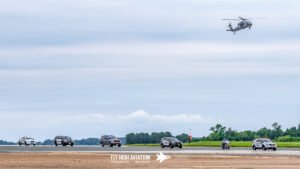
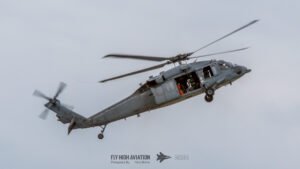
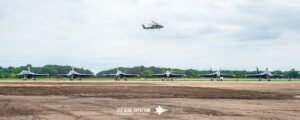
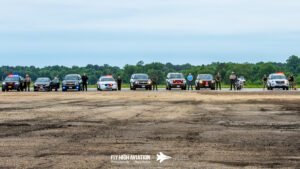
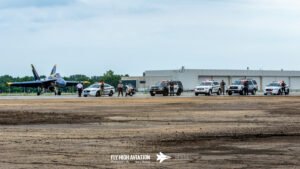
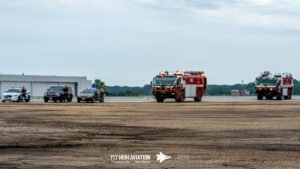
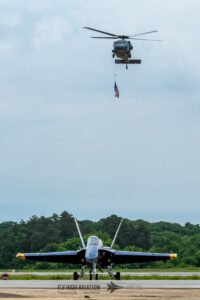
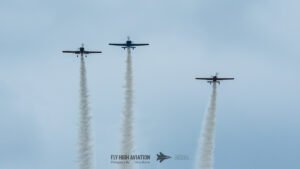
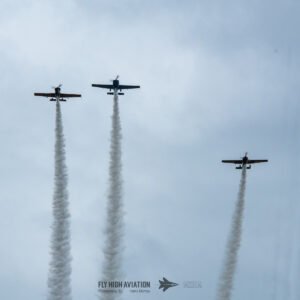
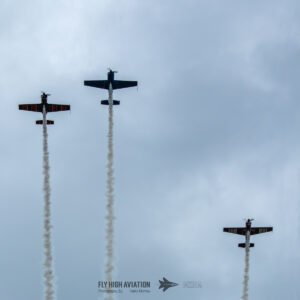
The opening ceremony set a strong and dignified start to the weekend, beginning with emergency medical services, local law enforcement, and base security moving into position along the runway in a coordinated display of unity and service. Their presence created a striking visual line as the national anthem was performed, a moment that brought the crowd together and highlighted the close partnership between NAS Patuxent River and the surrounding communities. The ceremony then transitioned into a brief missing man tribute, performed by Rob Holland, Bill Stein & Patty Wagstaff, in memory of Skytyper’s team member Ken Johansen, the celebratory spirit of the day. The combination of precision, professionalism, and symbolism made the opening ceremony a memorable introduction to the events that followed.
static aircraft displays – 02
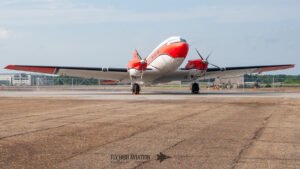
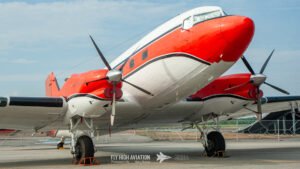
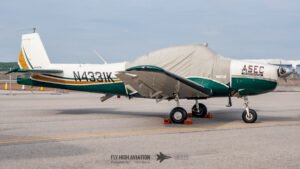
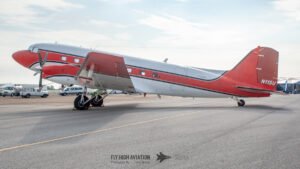
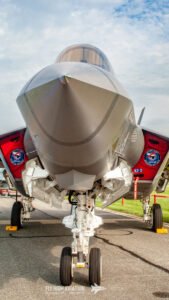
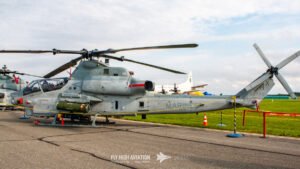
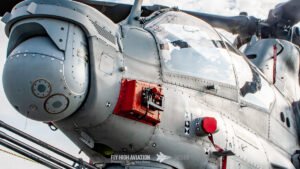
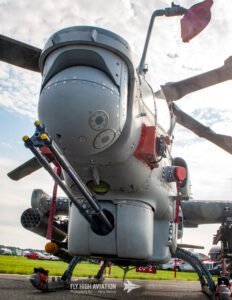
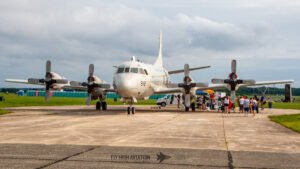
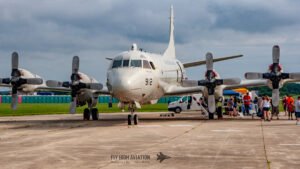
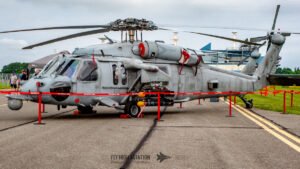
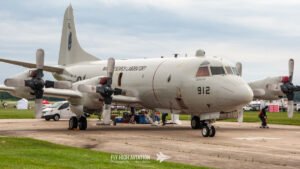
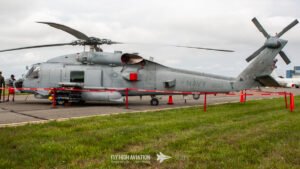
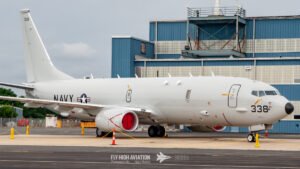
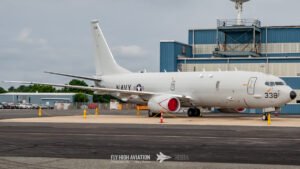
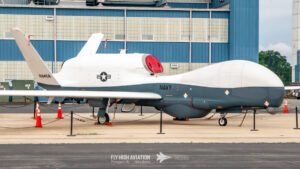
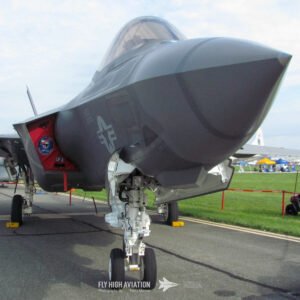
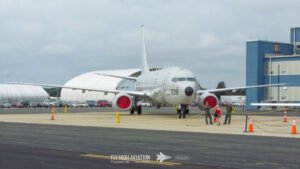
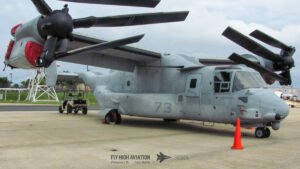
The ground exhibitions offered visitors an immediate sense of scale and variety as they stepped onto the base, with aircraft thoughtfully spaced to allow clear viewing and photography while keeping the flow of people comfortable. Food vendors and merchandise stalls were positioned throughout the static area, giving families and enthusiasts plenty of options and ensuring no one went home without a souvenir of the day. The static lineup drew heavily from Pax River’s own operational and test units, showcasing the breadth of work carried out on the station. Among the highlights were the P‑8 Poseidon and the imposing RQ‑4 Global Hawk from VX‑20, positioned near the hangars. HX‑21 “Blackjack” contributed an MV‑22 Osprey, while their rotary‑wing contingent included two MH‑60 Sea Hawks, a UH‑1Y Venom, and an AH‑1Z Viper, each representing a different facet of naval and Marine Corps aviation. A particularly eye‑catching presence was the P‑3 Orion marked for the Naval Research Laboratory, presented in immaculate condition. One of the most consistently popular attractions was the F‑35C test aircraft, drawing steady crowds throughout the day. Adding a distinctive civilian touch to the lineup was a turbine‑powered DC‑3, a rare and welcome sight that complemented the military displays and underscored the diversity of aviation represented at the show.
blue angel’s static display – 03
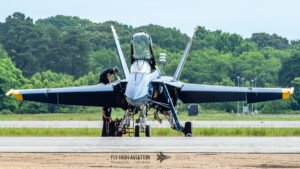
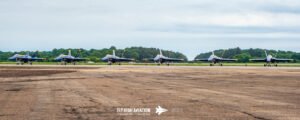
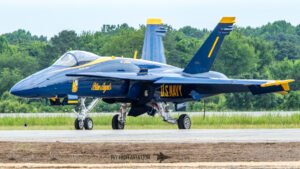
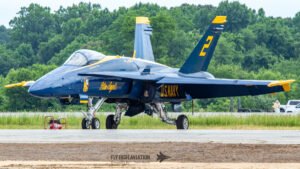
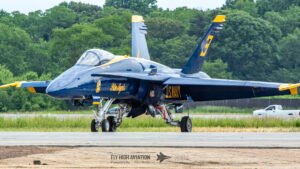
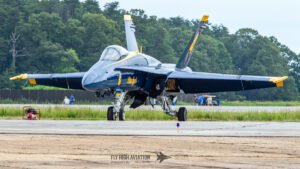
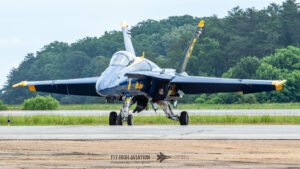
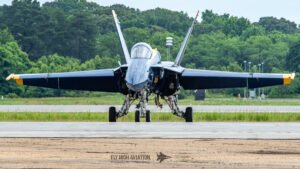
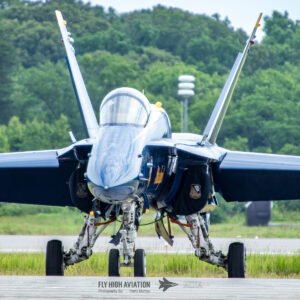
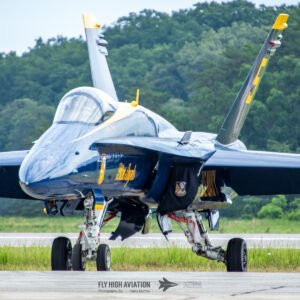
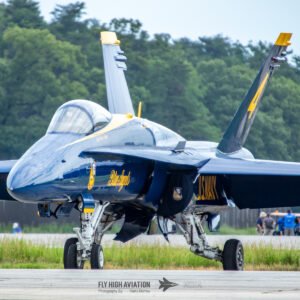
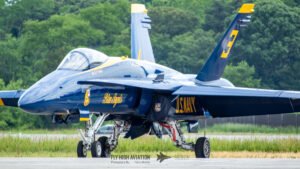

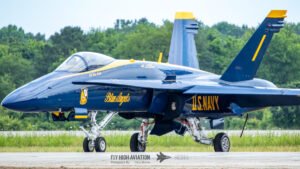
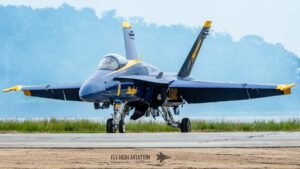
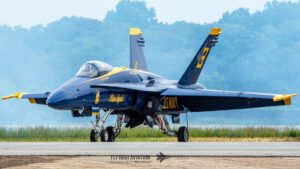
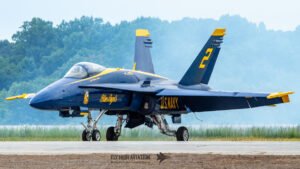
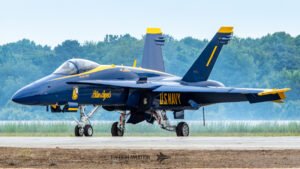
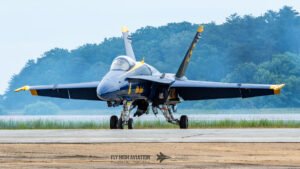
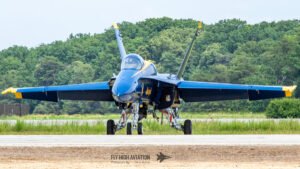
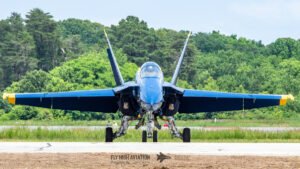
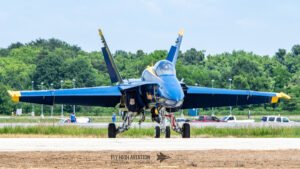
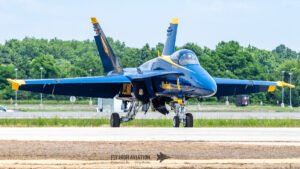
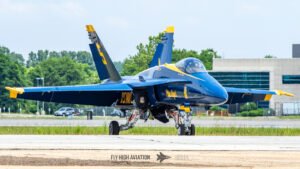
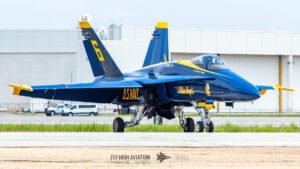
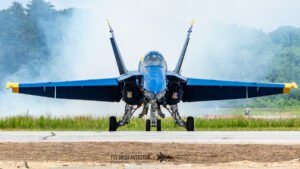
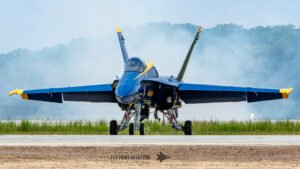
The Blue Angels’ aircraft were positioned near the runway, set back from public access but clearly visible, giving spectators an excellent opportunity to capture clean, unobstructed images. Their distinctive blue‑and‑gold jets stood out across the airfield, adding a strong visual highlight to the static displays even before the team took to the air.
showtime get ready – 04
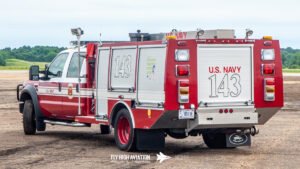
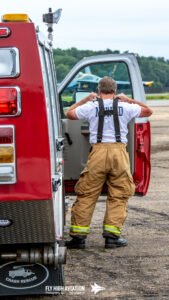
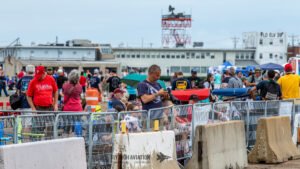
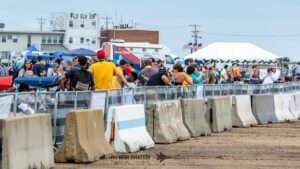
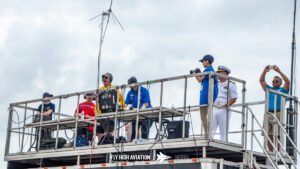
The atmosphere shifted the moment the flying program was ready to begin. After a morning spent exploring the static displays and watching the ramp fill with visitors, a sense of anticipation settled over the crowd. Conversations quieted, cameras were raised, and all eyes turned toward the runway. The airfield, which had been calm only moments before, now carried that unmistakable tension that comes just before the first engine start or the opening pass. It was clear to everyone on the line—it’s show time, and the action is about to start.
patty wagstaff display #1 – 05
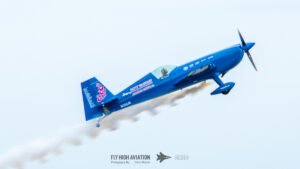
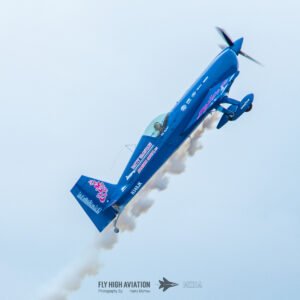
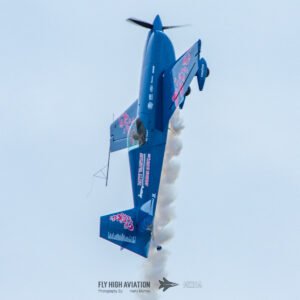
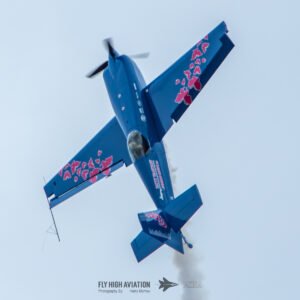
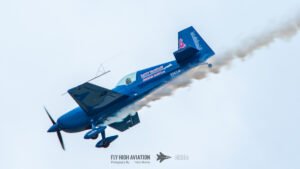
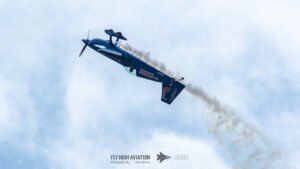
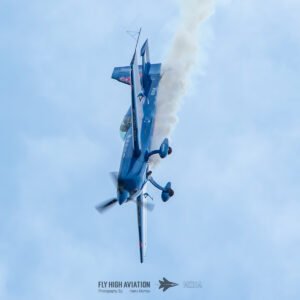
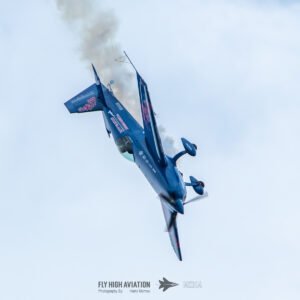
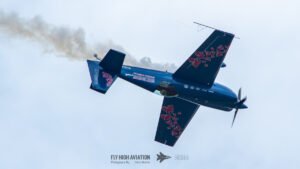
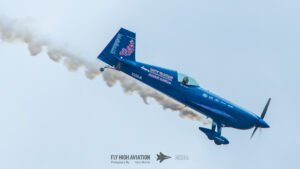
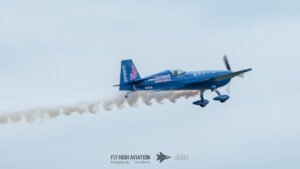
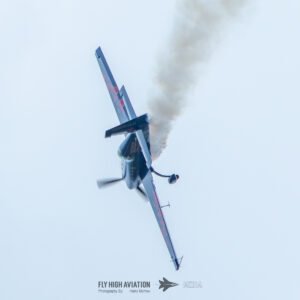
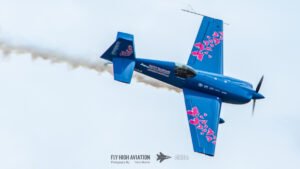
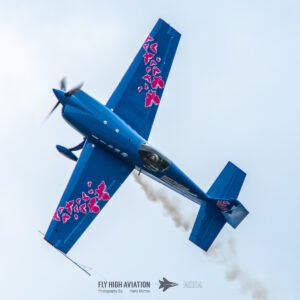
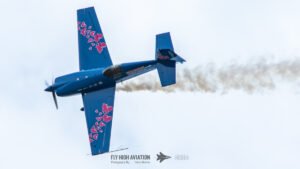
Patty Wagstaff opened the flying program with the first of two high‑energy displays, taking to the sky in her blue Extra 300 and immediately commanding the crowd’s attention. Her routine blended precision, power, and unmistakable confidence, delivering a performance that set the tone for the afternoon and brought a strong dose of girl power to the start of the show. Her sharp climbs, tight rolls, and crisp transitions made it clear why she remains one of the most respected aerobatic pilots in the world, and her opening display proved to be a perfect kickoff to the action in the air.
MISTY BLUES – 06
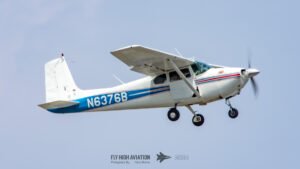
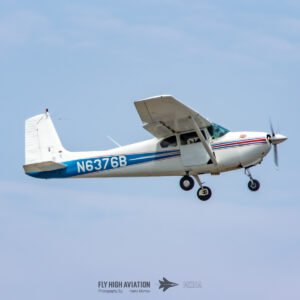
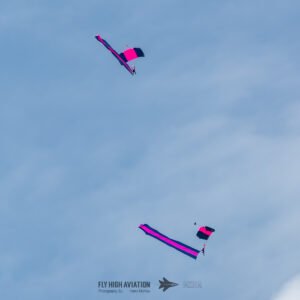
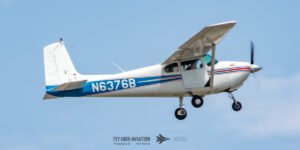
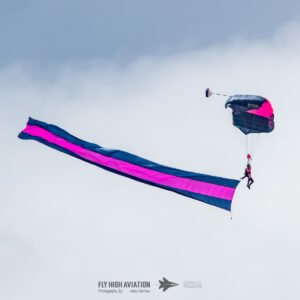
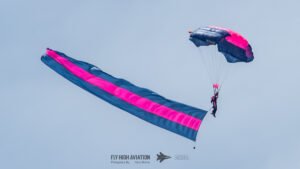
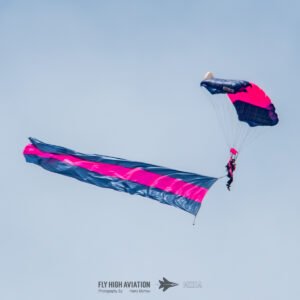
The Misty Blues delivered a clean, uplifting performance as the all‑female parachute team opened their jump over the field. Their descent was smooth and well‑timed, canopies blossoming overhead as they touched down with the precision and confidence that have made them a favorite at shows nationwide. It was a sharp, energetic addition to the early program and a strong showcase of their skill.
Aero L-39C Albatros – 07
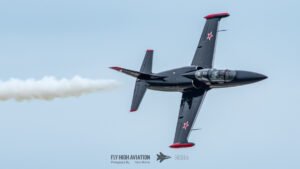
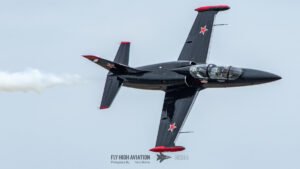
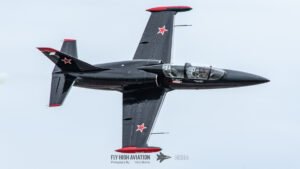
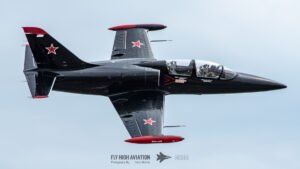
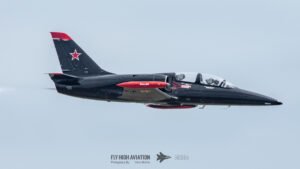
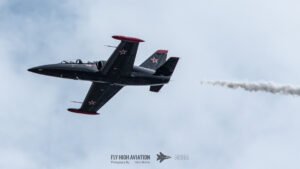
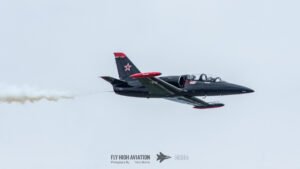
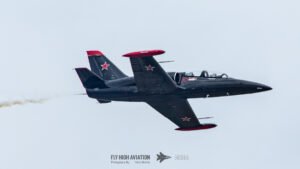
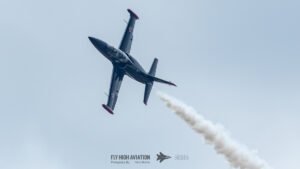
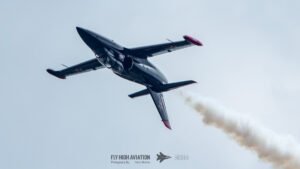
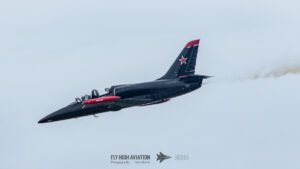
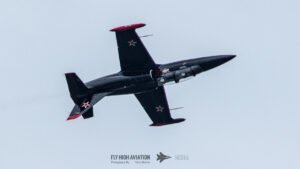
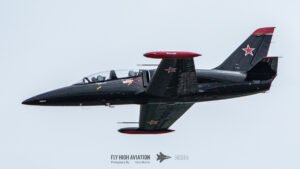
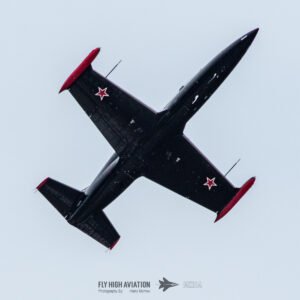
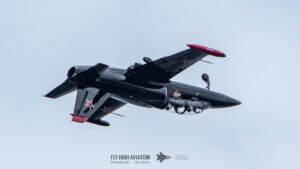
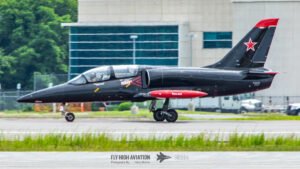
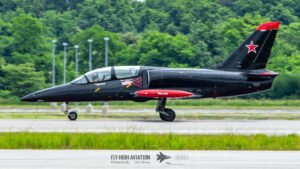
The Aero L‑39C Albatros brought a sharp change of tone to the program, its sleek lines and Russian markings giving it a distinctive presence in the sky. The jet’s fast, clean passes and tight maneuvers showed off the agility that made the L‑39 a popular trainer across Eastern Europe, and its appearance added a welcome touch of Cold War flavor to the flying lineup. It was a compact but eye‑catching display that stood out well among the afternoon’s performances.
Warrior Flight Team L-39’s – 08
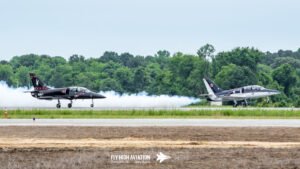
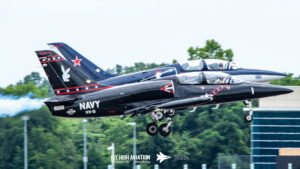
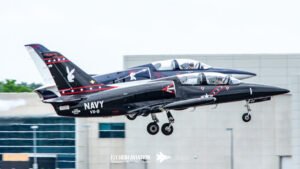
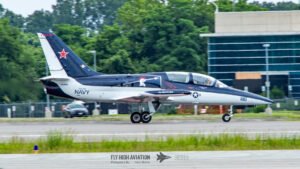
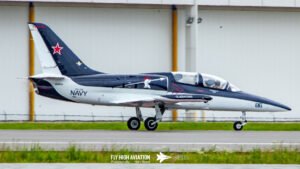
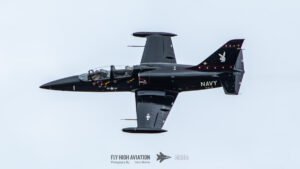
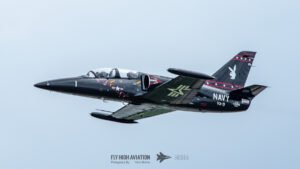
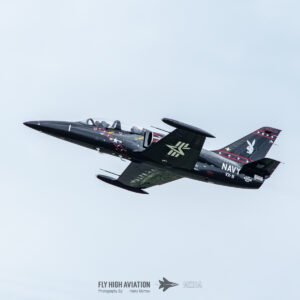
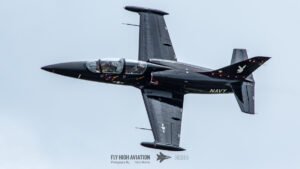
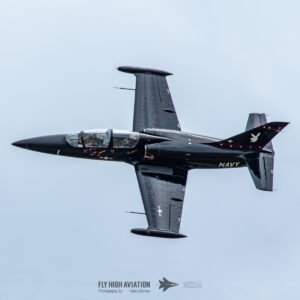
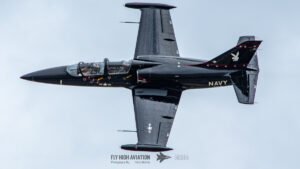
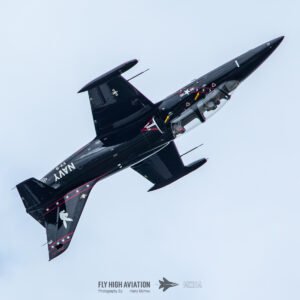
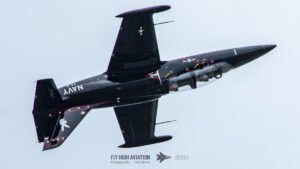

The Warrior Flight Team’s L‑39 segment shifted tone the moment they taxied out, but the “fight is on” energy took an unexpected turn when one of the jets developed an early technical issue. Instead of the planned duo routine, the team adapted quickly and delivered a tight, focused single‑ship performance. The lone L‑39 made the most of its time in the sky, running sharp passes and clean maneuvers that still captured the spirit of the act. Even as a solo display, it kept the crowd engaged and maintained the fast‑paced momentum of the show.
bill stein – 09
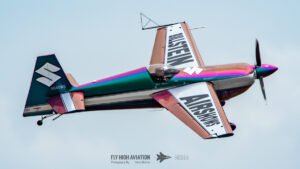
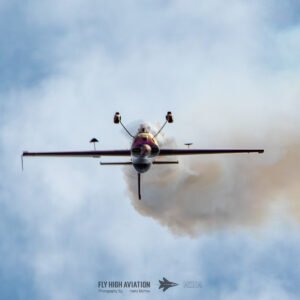
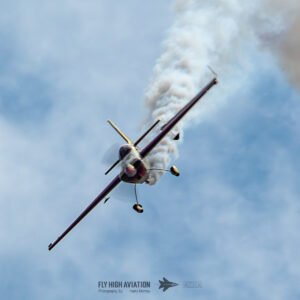
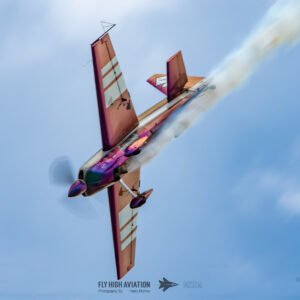
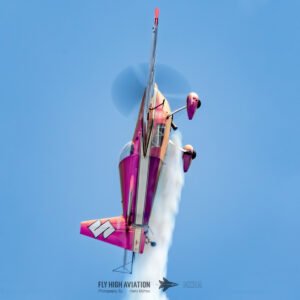
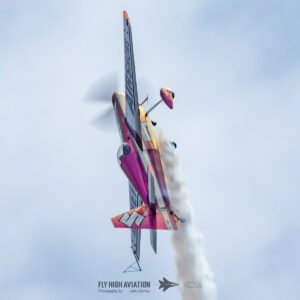
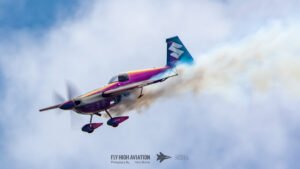
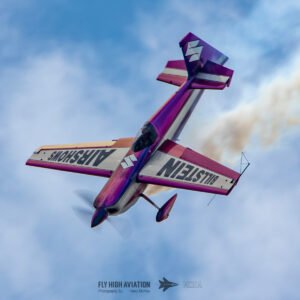
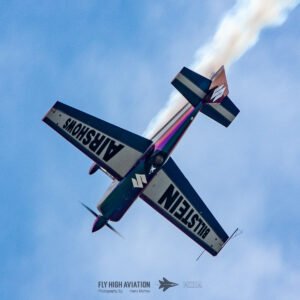
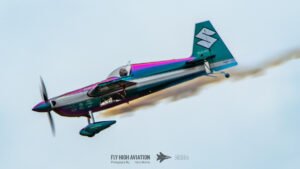
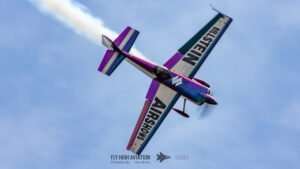
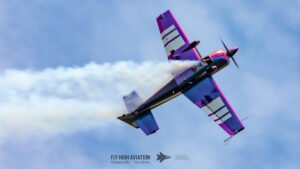
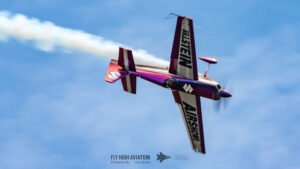
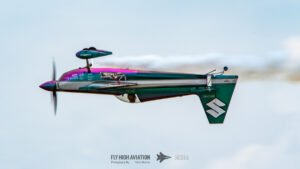
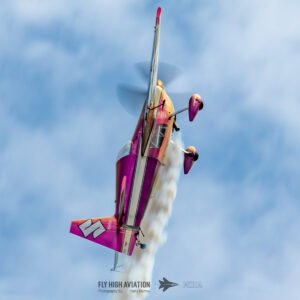
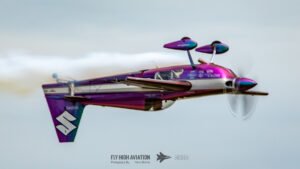
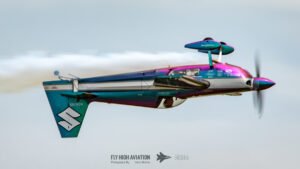
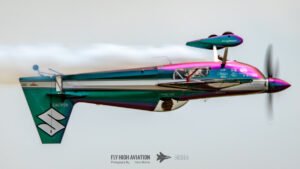
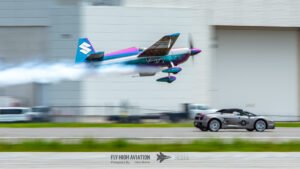
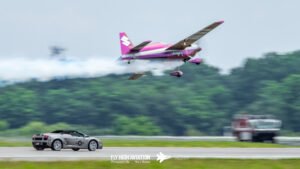
Bill Stein took to the sky in his Edge 540, instantly recognizable thanks to its ever‑changing, light‑shifting color‑shift paint scheme. As sunlight hit the aircraft, the colors transitioned fluidly across the fuselage and wings, turning every maneuver into a moving piece of art. His routine combined razor‑sharp aerobatics with smooth, flowing lines, making full use of the Edge 540’s agility and power. The result was a performance that was both technically impressive and visually striking, standing out as one of the most vibrant displays of the afternoon.
rob holland – 10
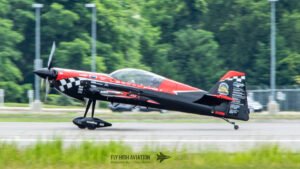
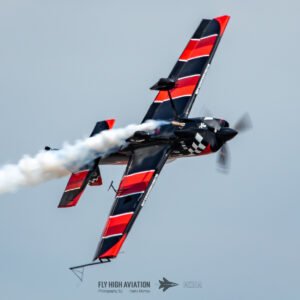
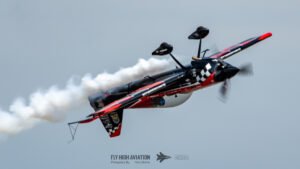
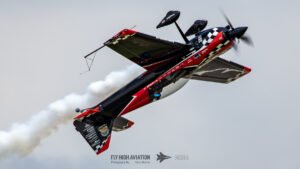
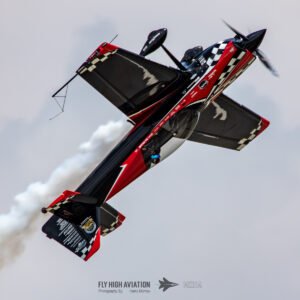
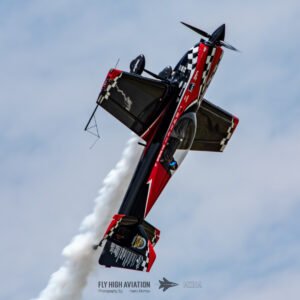
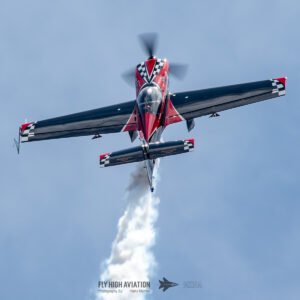
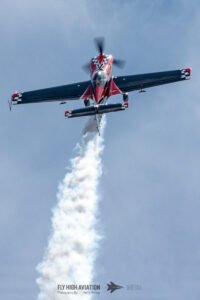
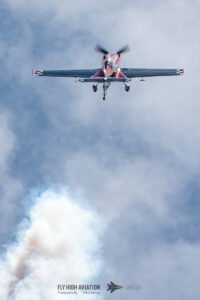
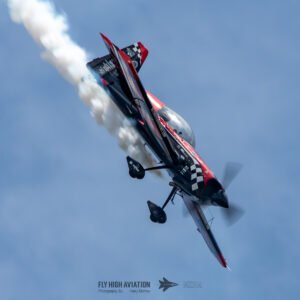
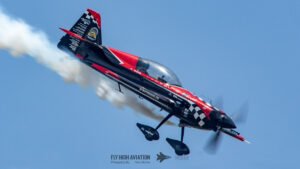
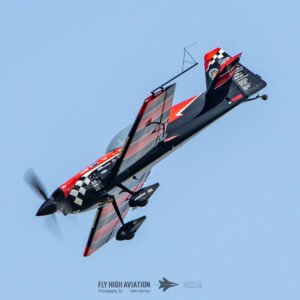

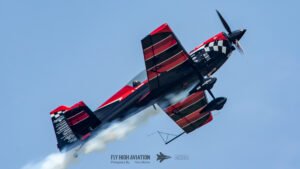
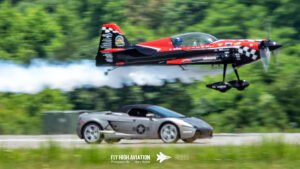
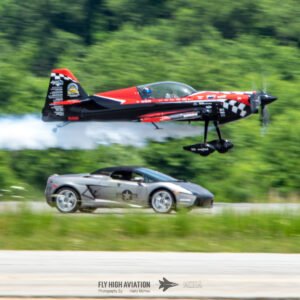
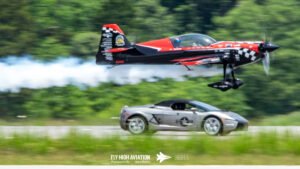
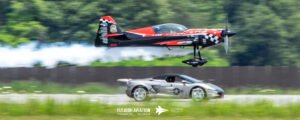
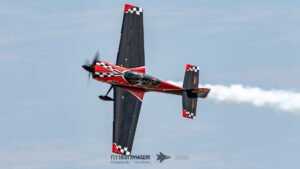
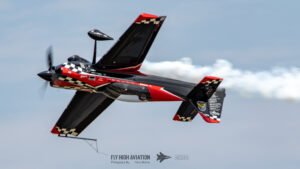
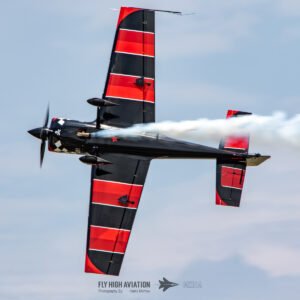
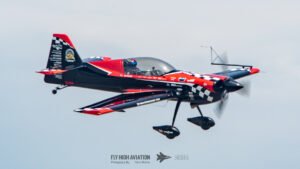
Rob Holland followed with a burst of pure intensity, launching into a high‑energy solo routine that immediately pushed the pace of the show forward. Flying his MXS‑R with trademark precision, he blended rapid rolls, knife‑edge passes, and gravity‑defying tumbles into a routine that kept the crowd locked in from start to finish. His control and timing made even the most extreme maneuvers look deliberate and effortless, reinforcing why he’s considered one of the top aerobatic pilots in the world.
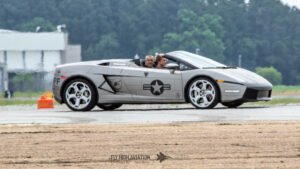
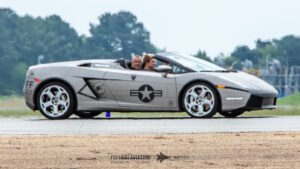
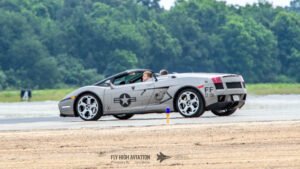
Adding an unexpected twist to his appearance, Holland also took part in a crowd‑pleasing race against a Lamborghini on the runway. The matchup delivered a fun mix of speed, sound, and showmanship, giving spectators a rare chance to see high‑performance aviation and high‑performance automotive engineering go head‑to‑head. It was a lively, memorable segment that stood out as one of the afternoon’s most entertaining moments.
art nalls sea harrier fa2 – 11
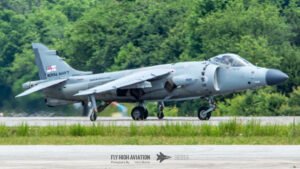
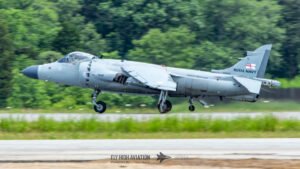
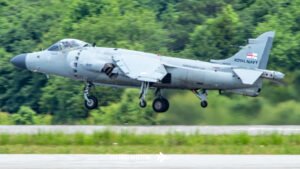
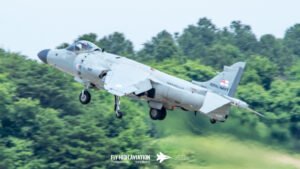
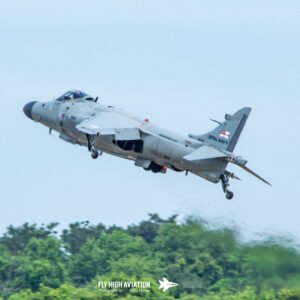
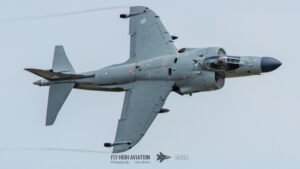
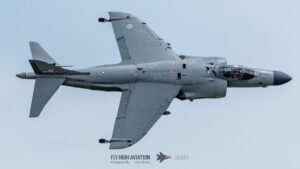
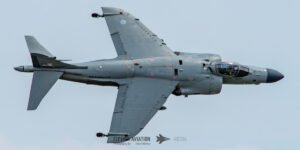
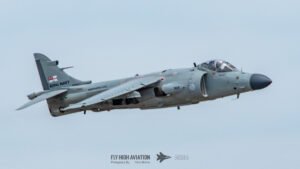
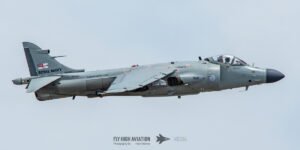
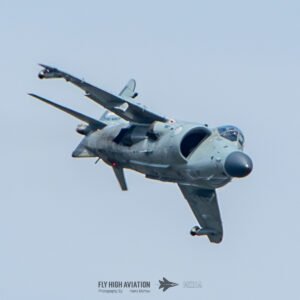
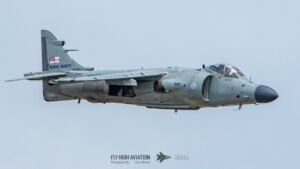
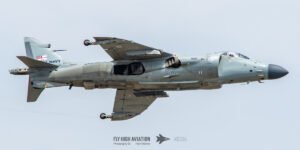
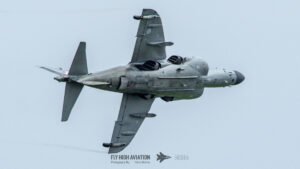
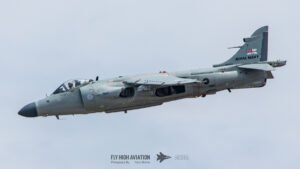
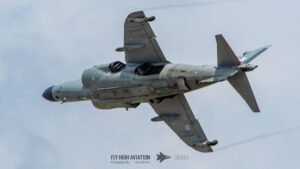
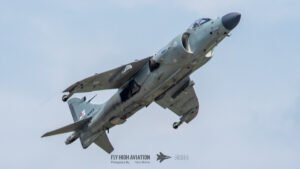
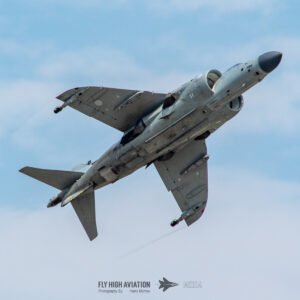
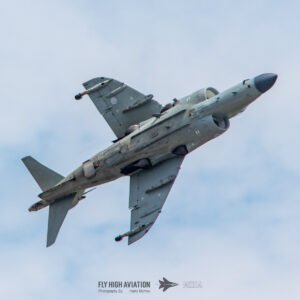
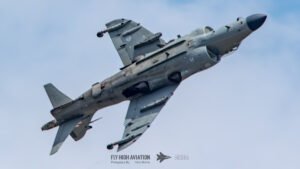
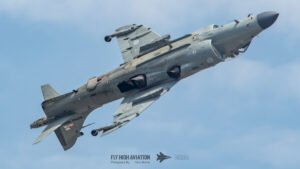
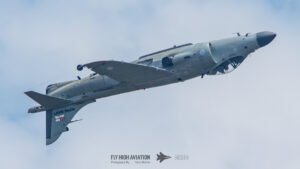
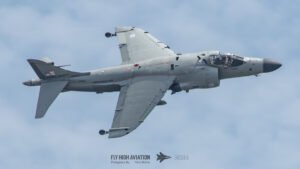
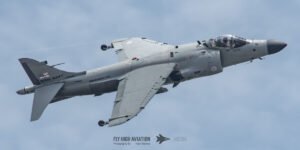
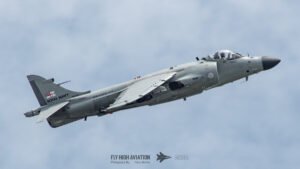
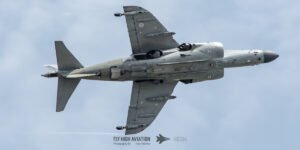
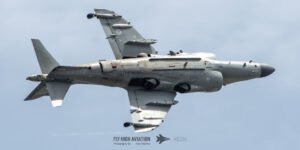
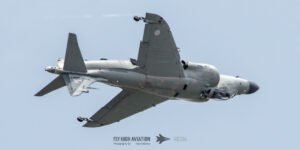
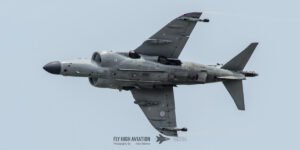
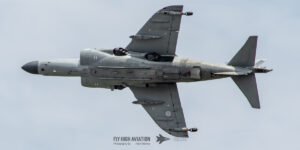
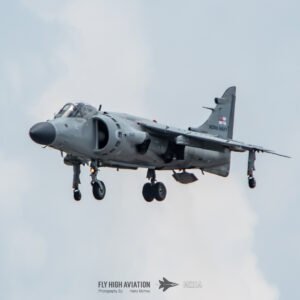
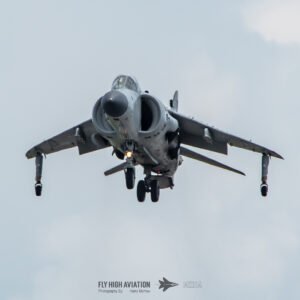
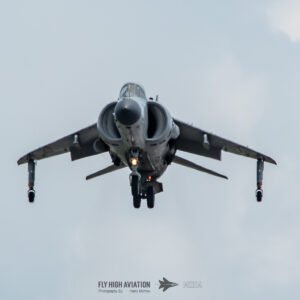
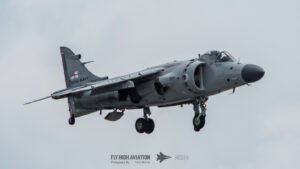
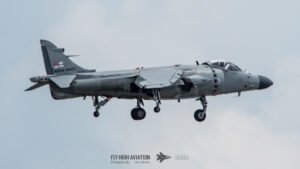
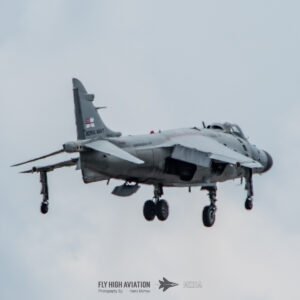
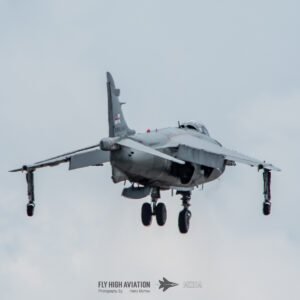
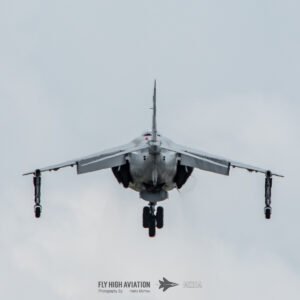
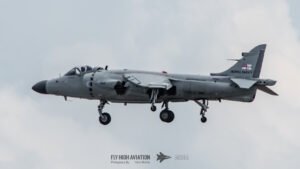
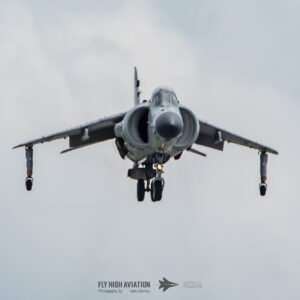
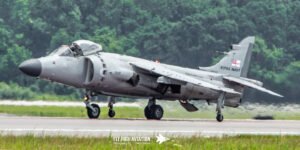
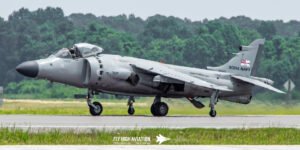
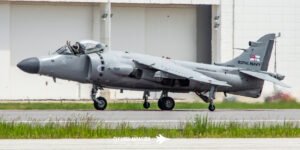
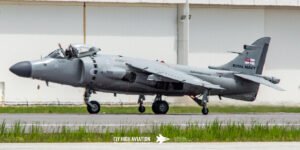
Art Nalls brought a surge of nostalgia and raw power to the program with his privately owned Sea Harrier, a rare sight on the airshow circuit and a genuine crowd‑pleaser. The moment the jet took the runway, the noise alone signaled that something special was about to happen. His passes were smooth and confident, highlighted by crisp inverted segments that showed just how agile the Harrier can be in the hands of an experienced pilot.
What truly set the display apart was the hover demonstration. Even after all these years, the Harrier’s ability to stop in mid‑air and hold position remains astonishing, and Nalls showcased exactly why this aircraft earned its reputation as the original master of vertical flight. For you, seeing it again after last watching it with the Royal Navy back in the UK, the performance carried an extra layer of meaning—familiar, impressive, and a reminder of an era when the Harrier ruled the deck.
p-51 quick silver – 12
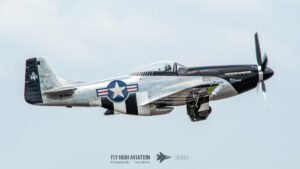
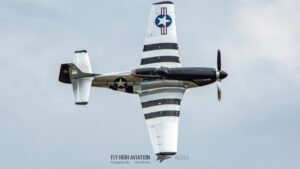
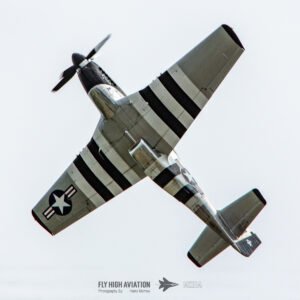
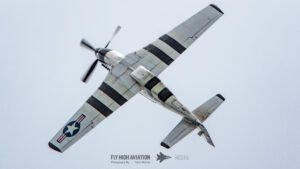
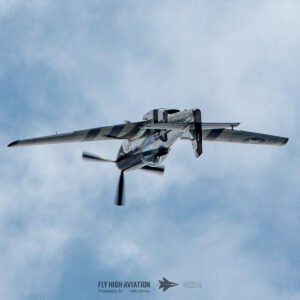
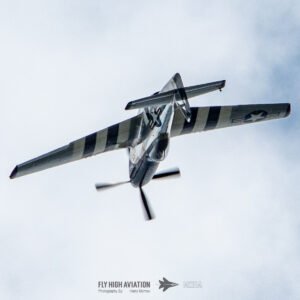
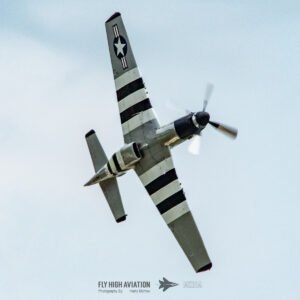

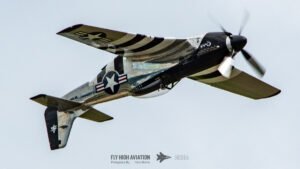
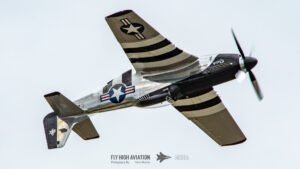
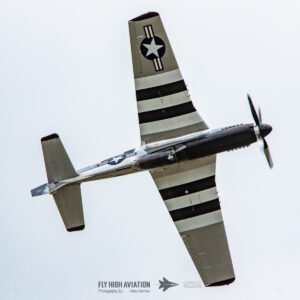
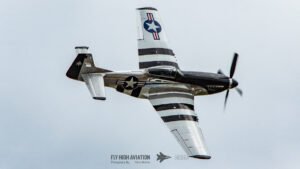
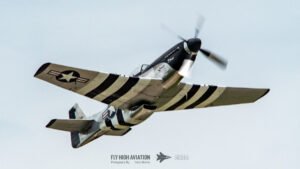
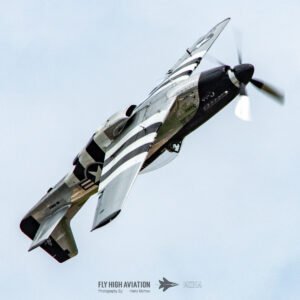
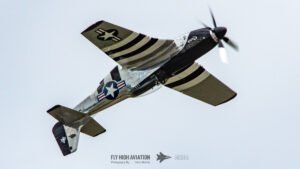
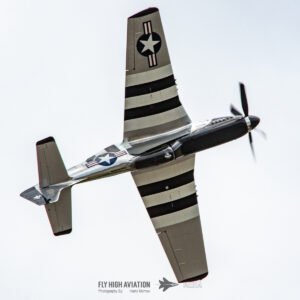
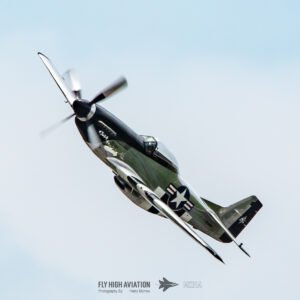
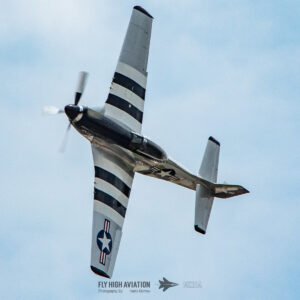
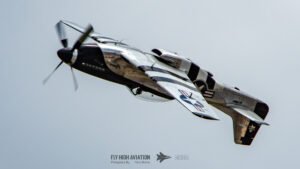
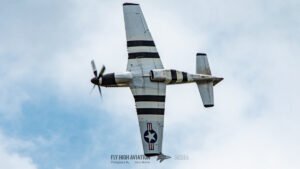
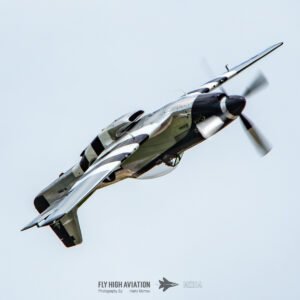
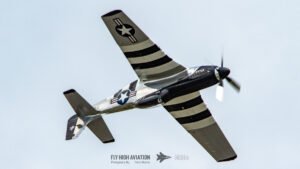
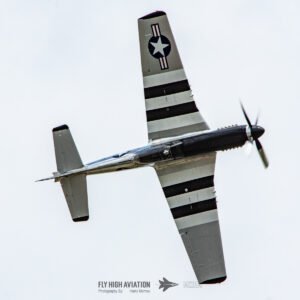
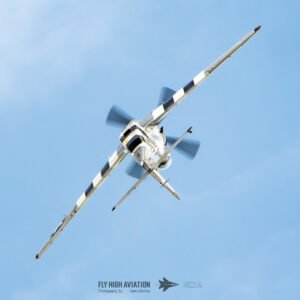
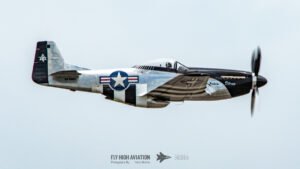
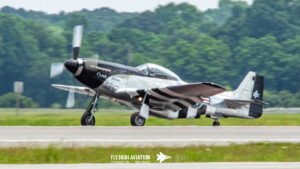
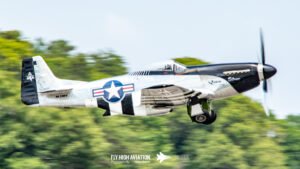
Scott “Scooter” Yoak delivered a polished and powerful warbird moment with his P‑51 Mustang Quicksilver, putting the aircraft through an impressive solo routine that highlighted both its heritage and its performance. His display blended smooth, sweeping passes with tighter, more aggressive maneuvers, letting the Mustang’s unmistakable sound roll across the field. The aircraft’s polished finish and tribute markings made every pass visually striking, while Yoak’s precise flying showcased why Quicksilver remains one of the most admired Mustangs on the airshow circuit. It was a fitting salute to the aircraft’s legacy and a standout segment of the afternoon.
f-4u corsair – 13
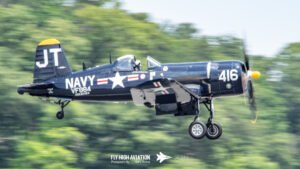
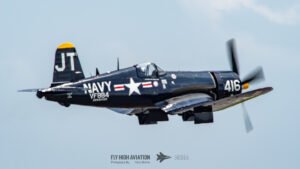
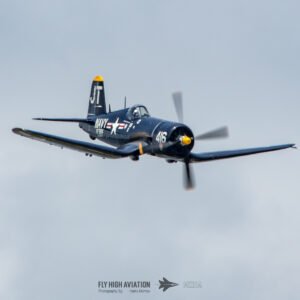
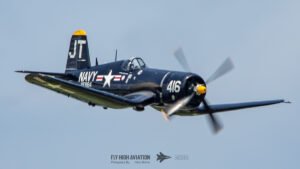
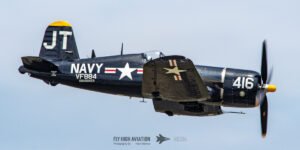
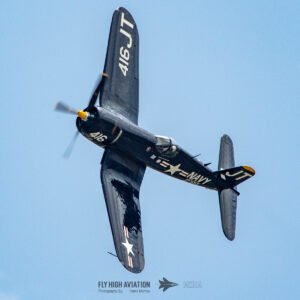
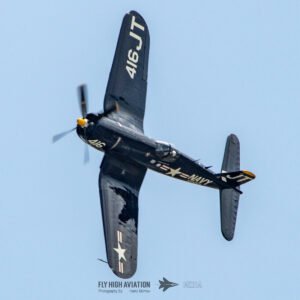
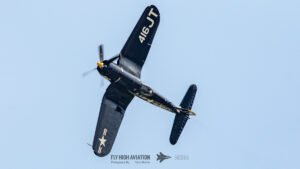
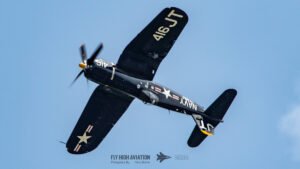
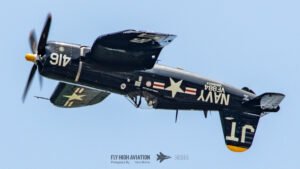
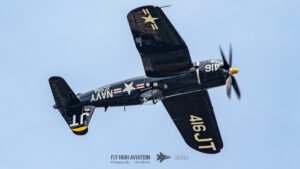
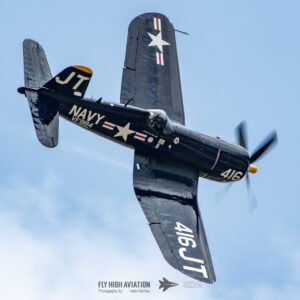
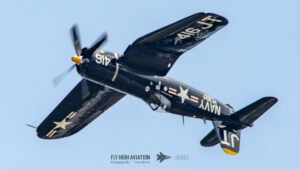
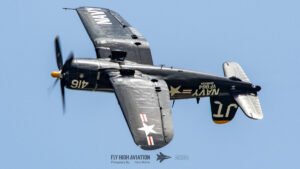
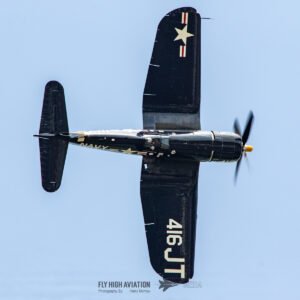
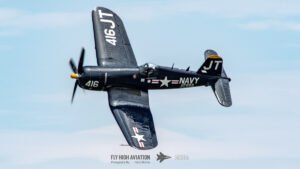
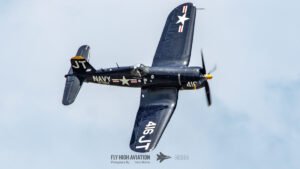
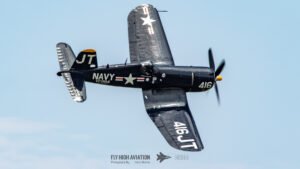
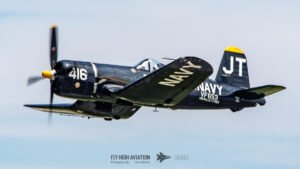
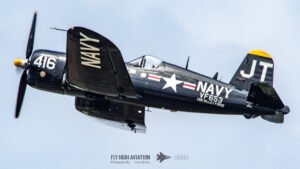
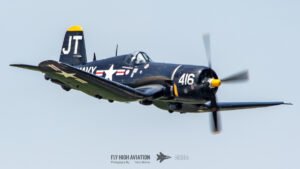
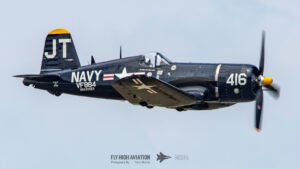
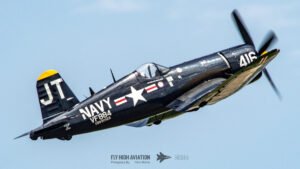
Jim “Torque” Tobul brought a deep, resonant slice of history to the field with his F‑4U Corsair, and the moment he advanced the throttle the sound alone turned heads. The Corsair’s big radial engine delivered that unmistakable, chest‑thumping roar—one of the most iconic sounds in all of warbird aviation. Tobul’s solo routine showcased the aircraft’s power and grace, with wide, arcing passes that highlighted its distinctive gull‑wing silhouette and tighter maneuvers that demonstrated just how capable the Corsair remains in skilled hands. It was a stirring, beautifully flown tribute to a legendary aircraft, made all the more memorable by that unforgettable sound rolling across the show grounds.
class of 45 – 14
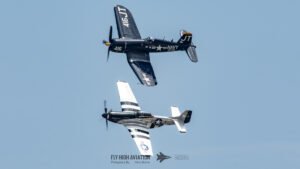
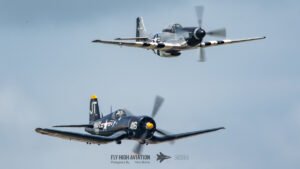
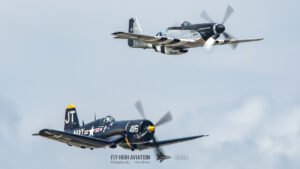
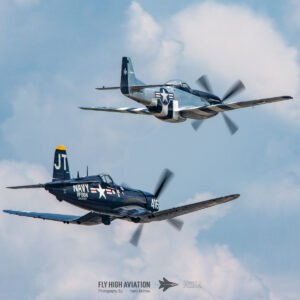
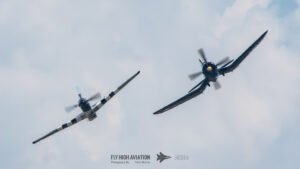
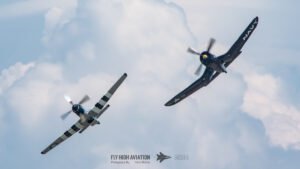
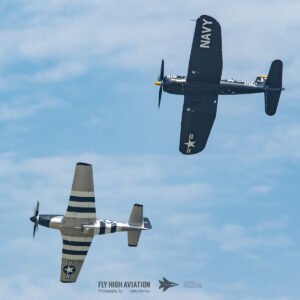
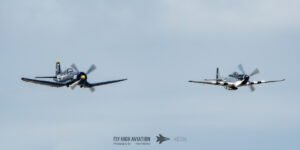
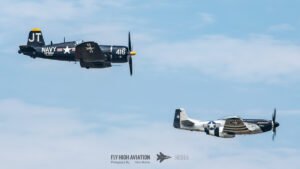

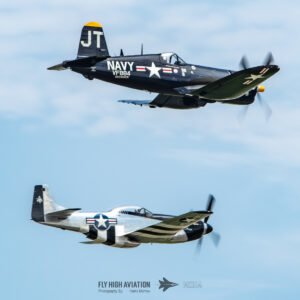
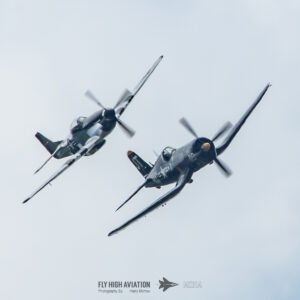
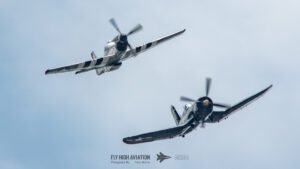
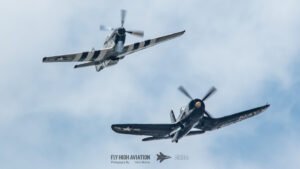
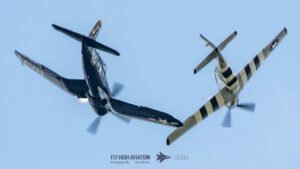
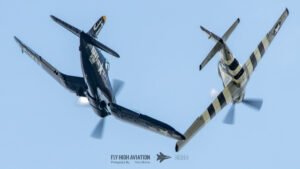
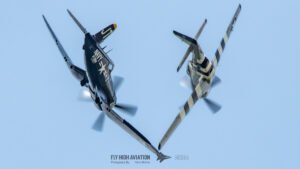
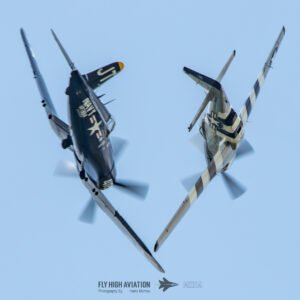
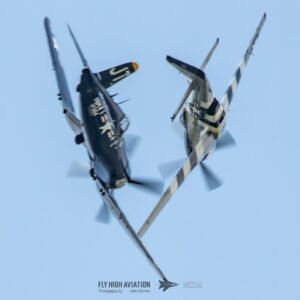
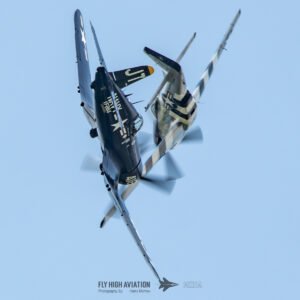
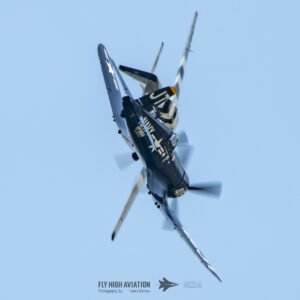
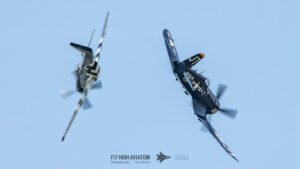
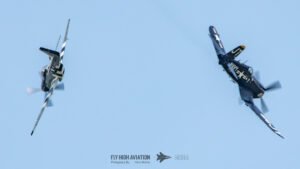
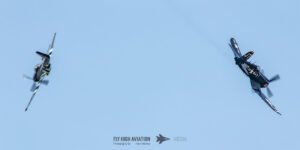
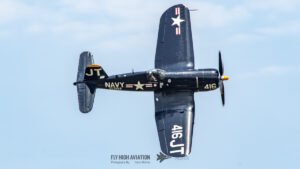
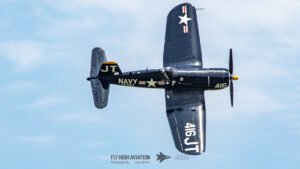
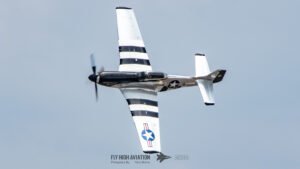
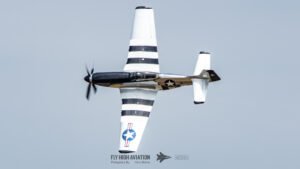
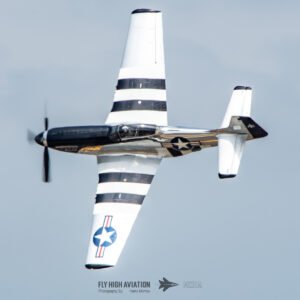
The show shifted into a rare and nostalgic moment when the F‑4U Corsair flown by Jim “Torque” Tobul was joined by Scott Yoak’s P‑51 Mustang Quicksilver for their combined routine, Class of ’45. Seeing these two iconic American fighters from the final year of World War II flying together created a powerful visual and emotional highlight. The deep rumble of the Corsair’s radial engine paired with the Mustang’s smooth Merlin growl made for an unforgettable soundscape, while their formation passes showcased the contrasting lines and personalities of the two aircraft. It was a beautifully executed tribute to the closing chapter of WWII aviation and a reminder of the engineering and bravery that defined that era.
seeing double – 15
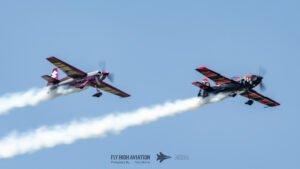
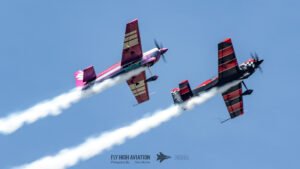
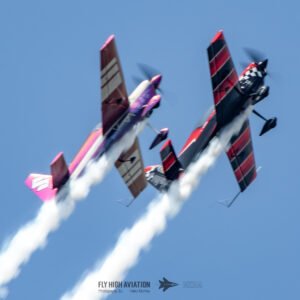
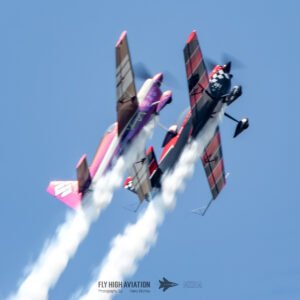
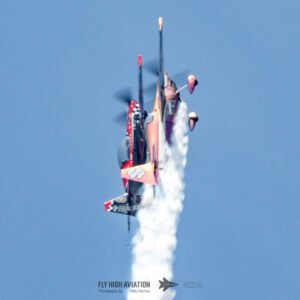
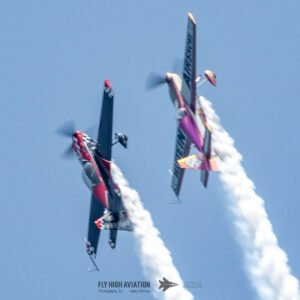
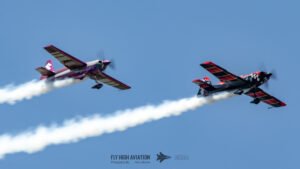
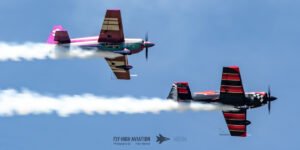
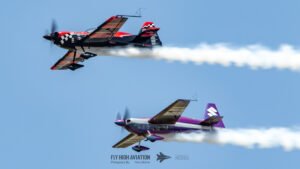
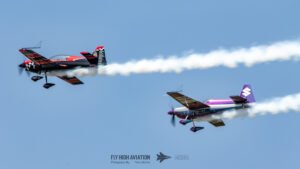
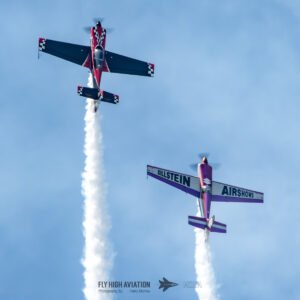
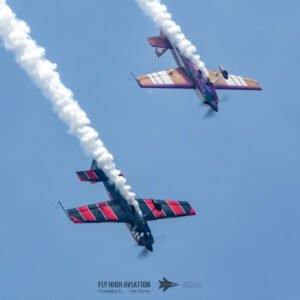
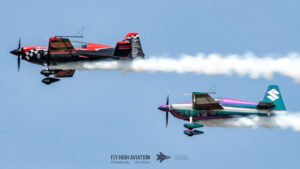
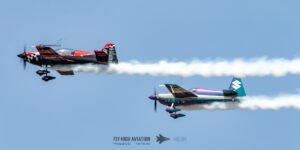
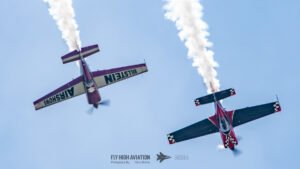
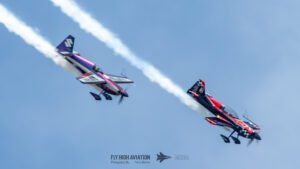
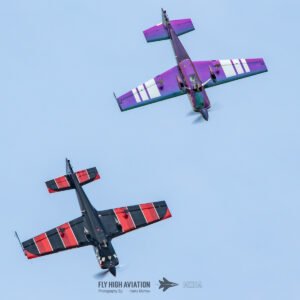
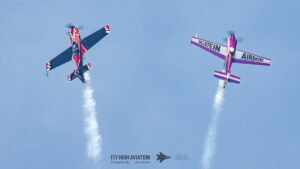
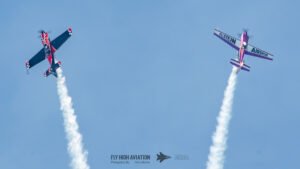
Rob Holland and Bill Stein returned to the sky together with their duo routine “Seeing Double,” a performance that blended precision flying with the kind of tight, mirrored choreography only two seasoned aerobatic masters can pull off. Their contrasting aircraft and flying styles created a dynamic visual rhythm, with synchronized rolls, opposing passes, and formation elements that felt both playful and razor‑sharp. The routine showcased not just individual skill but a deep trust between the two pilots, turning the sky into a perfectly timed dance of color, motion, and energy.
Their pairing added a fresh layer to the show’s pacing—after each had already delivered strong solo performances, seeing them combine forces brought a new level of excitement and artistry to the afternoon.
patty wagstaff display #2 – 16
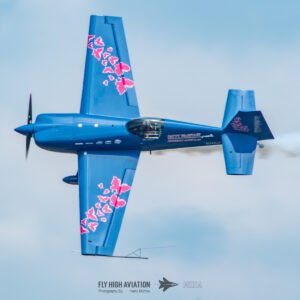
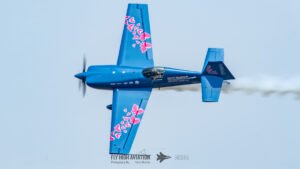
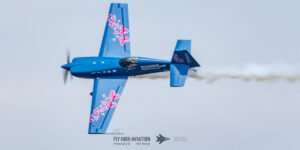
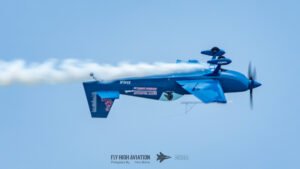

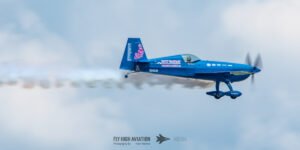
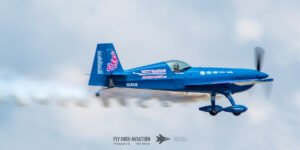
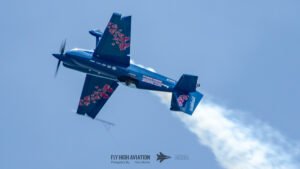
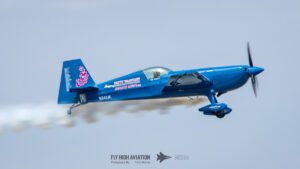
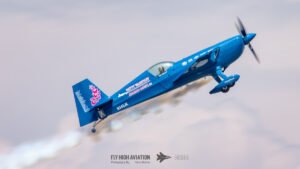
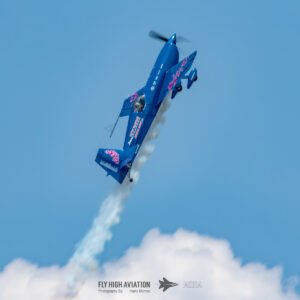
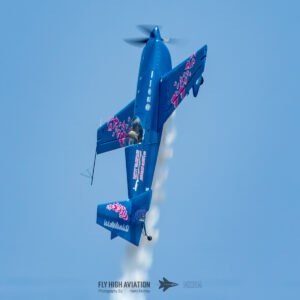
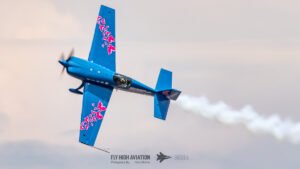
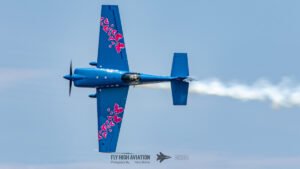
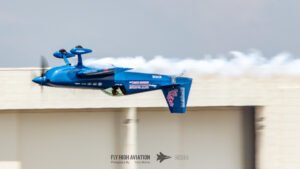
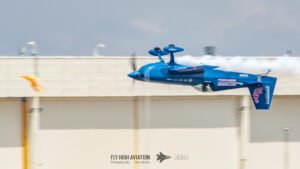
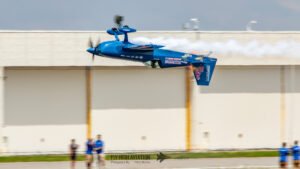
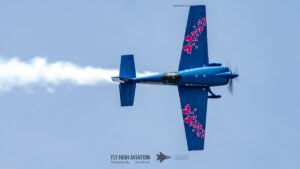
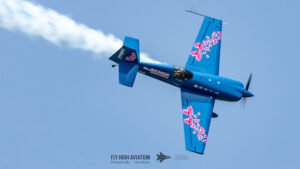
Patty Wagstaff returned to the sky for her second routine with the same confidence and precision that defined her opening act, but this time with even more intensity. Her Extra 300 carved crisp, deliberate lines through the air as she shifted into a tighter, more technical sequence—snap rolls, vertical uplines, and smooth transitions that showed just how much mastery she brings to every performance. The crowd responded immediately; even after a full afternoon of flying, her ability to command attention was unmistakable. This second display felt like a signature Patty moment: polished, powerful, and full of personality.
shockwave – 17
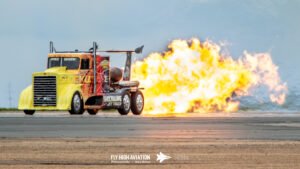
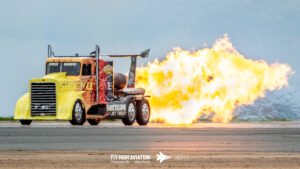
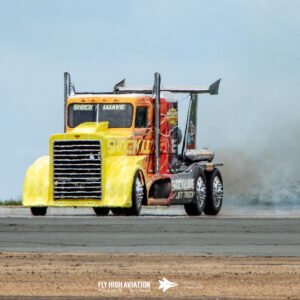
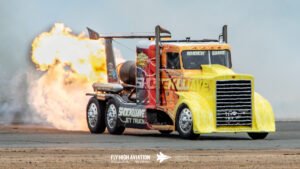
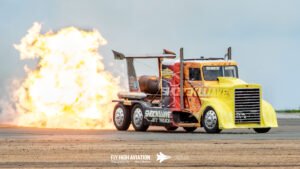
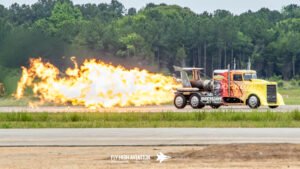
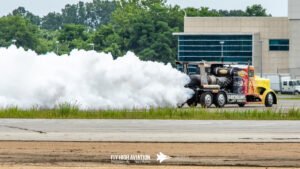
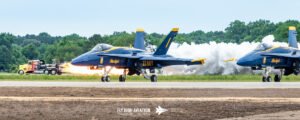
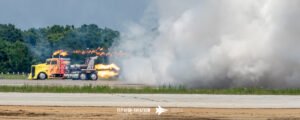
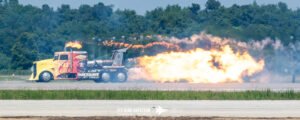
Shockwave instantly shifted the crowd’s attention the moment it rolled into position. The jet‑powered truck delivered its trademark wall of noise and raw speed, blasting down the runway with flames pouring from the afterburners and a thunderous roar that you could feel in your chest. Even after a full afternoon of flying, Shockwave’s combination of fire, acceleration, and sheer spectacle stood out as one of the most crowd‑stopping moments of the show. It’s the kind of act that doesn’t just get noticed—it demands it.
that amazing pass – 18
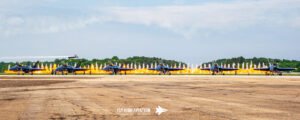
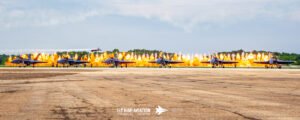
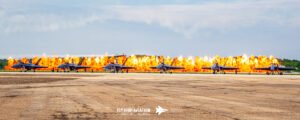
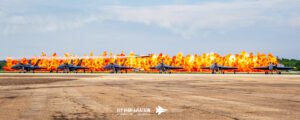
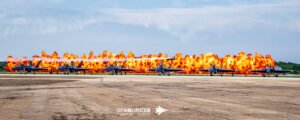
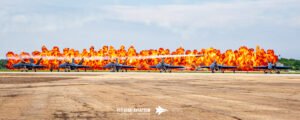
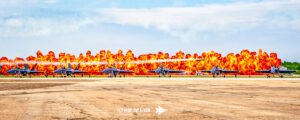
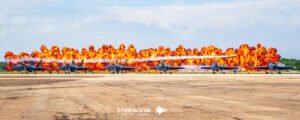
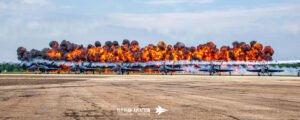
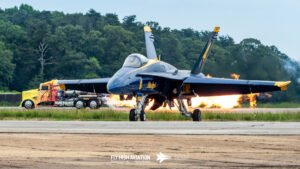
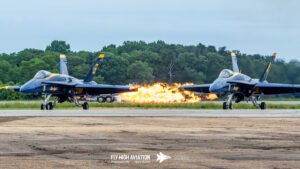
That moment became one of the most unforgettable visuals of the entire show: the Blue Angels parked in the foreground, perfectly still and gleaming in the sun, while Rob Holland and Shockwave tore across the runway in a head‑to‑head race framed by an enormous wall of fire. The contrast was stunning—precision Navy jets at rest, an aerobatic master at full throttle, and a jet‑powered truck blasting forward with flames and thunder. The heat, the noise, the timing, and the sheer spectacle all came together in a single, breathtaking pass that felt larger than life. It was the kind of moment that reminds you why airshows are pure sensory overload in the best possible way.
blue angels pre show – 19
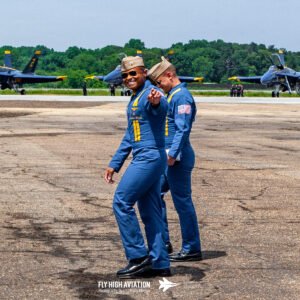
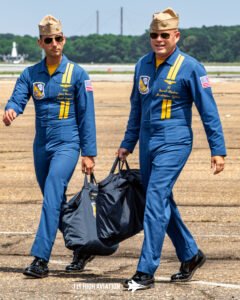
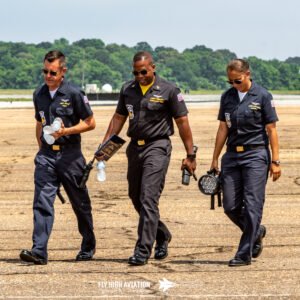
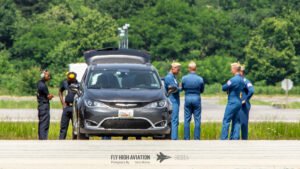
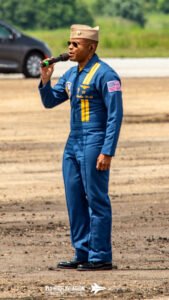
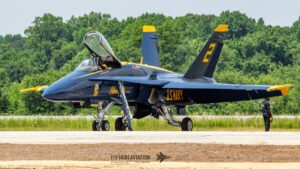
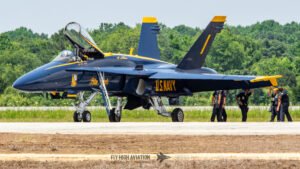
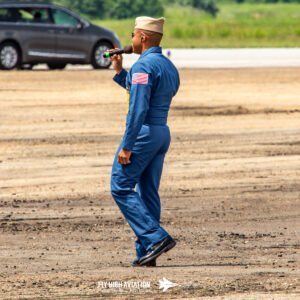
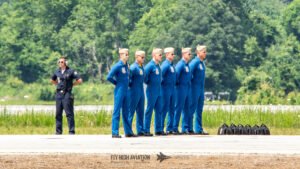

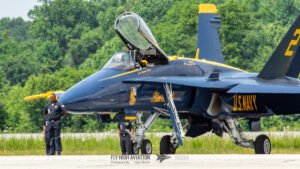
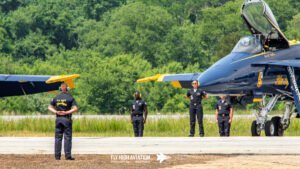
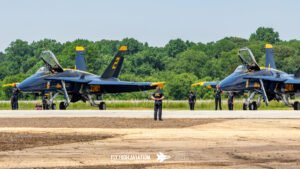
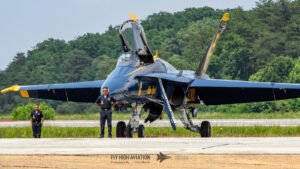
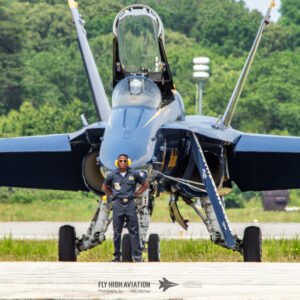
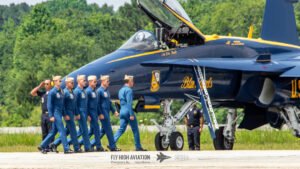
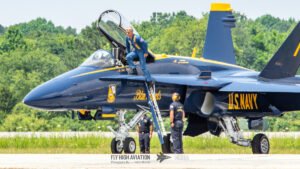
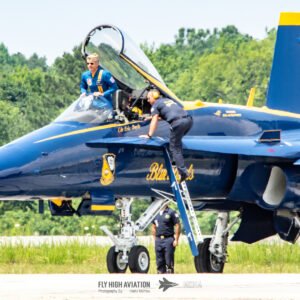
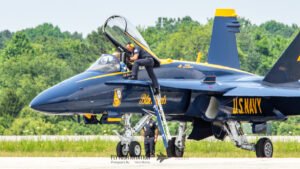
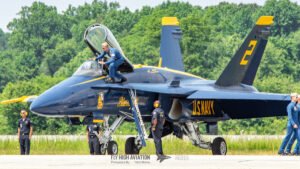
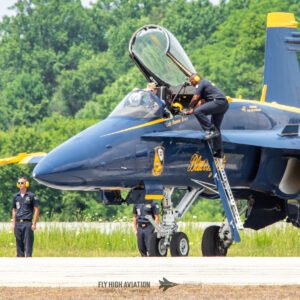
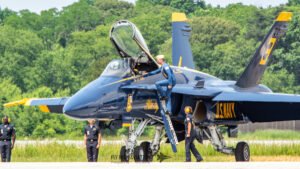
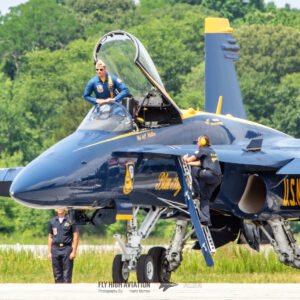
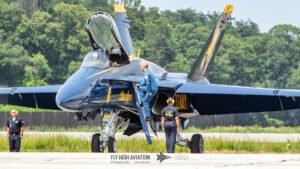
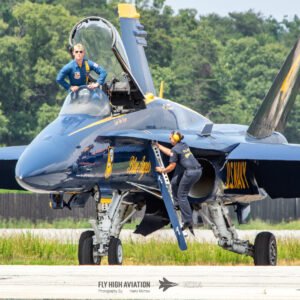
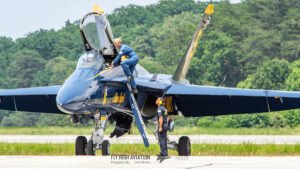
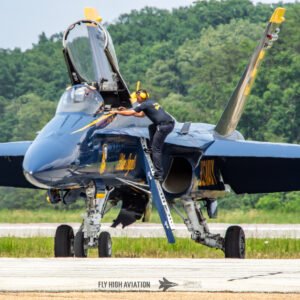
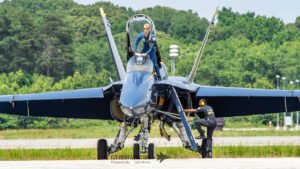
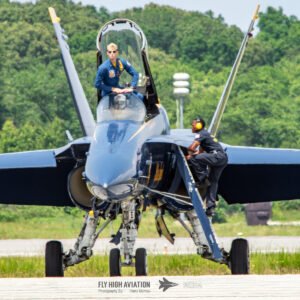
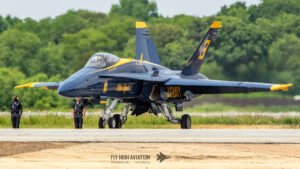
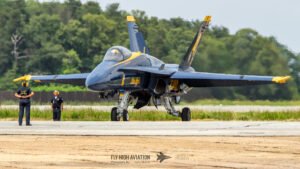
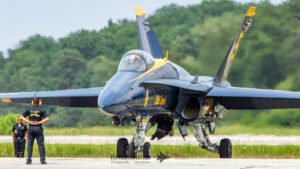
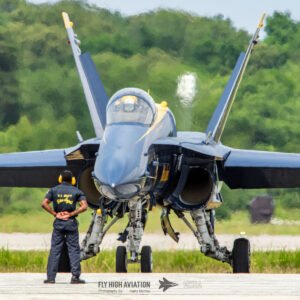
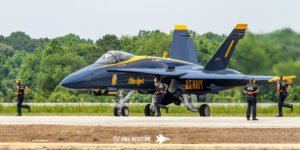
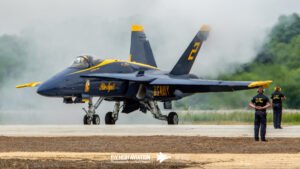
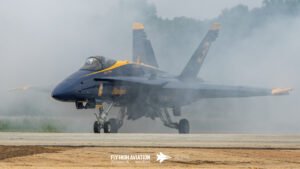
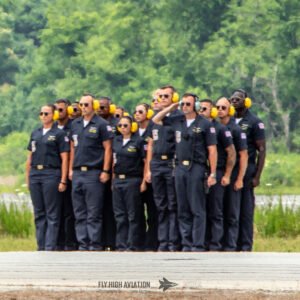
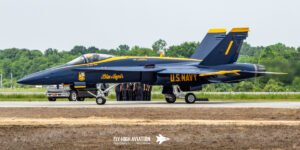
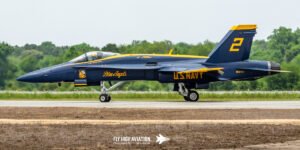
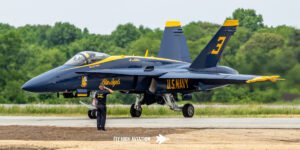
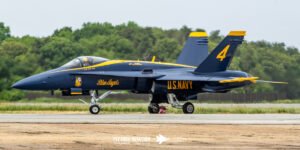
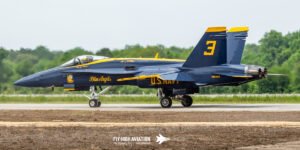
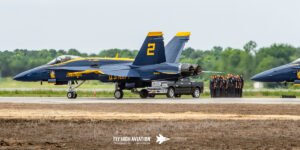
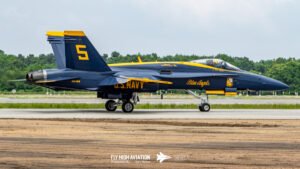
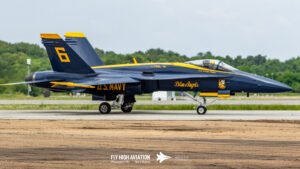
The Blue Angels’ team and crew brought a sense of precision and ceremony to the ramp as they prepared for show time. Long before the jets ever moved, the ground crew set the tone—crisp movements, coordinated checks, and that unmistakable professionalism that signals the main event is approaching. Each aircraft was inspected with deliberate care, crew members moving in sync as they verified panels, controls, and safety points. The pilots’ walkdown added to the anticipation, their formation steps and salutes drawing the crowd’s attention and building the energy across the field.
This preparation phase is always part of the Blue Angels’ magic: the quiet discipline before the roar, the ritual that transforms a static flight line into the threshold of one of aviation’s most iconic demonstrations.
2018 blue angels – 20
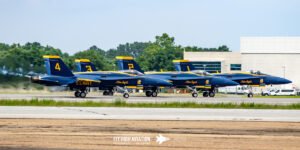
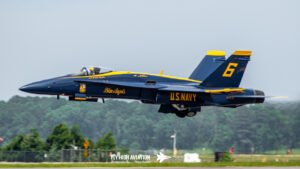
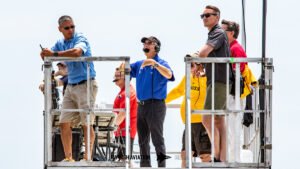
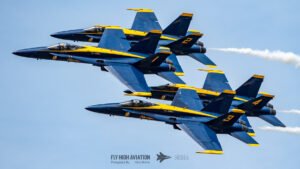
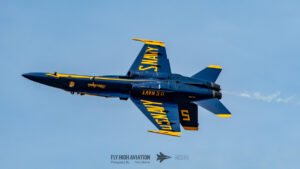
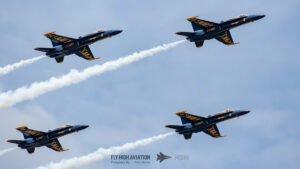
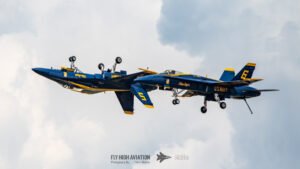
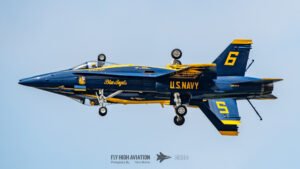
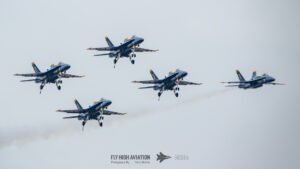
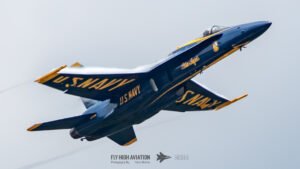
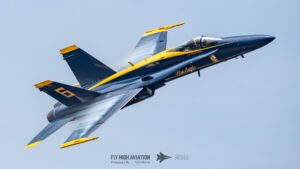
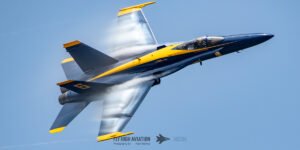
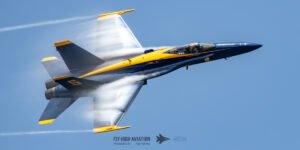
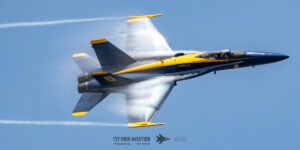
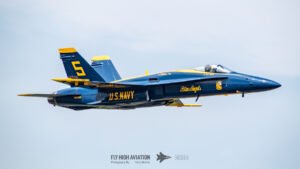
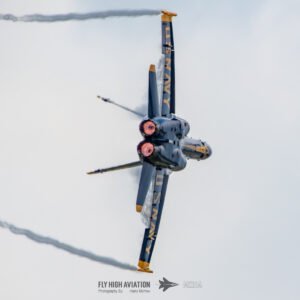
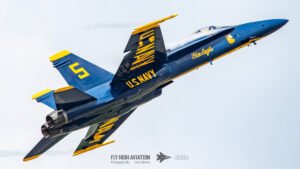
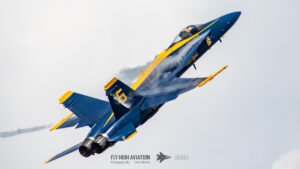
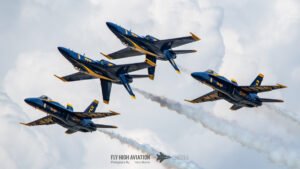
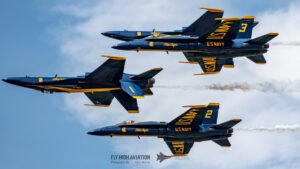
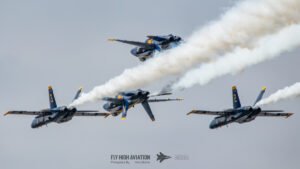
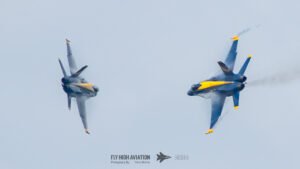
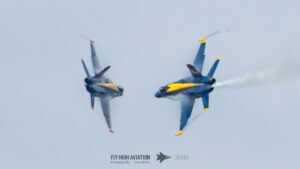
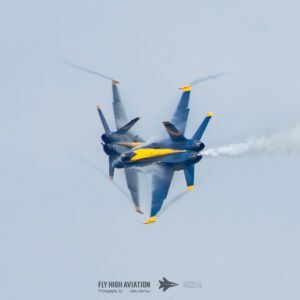
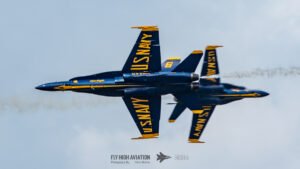
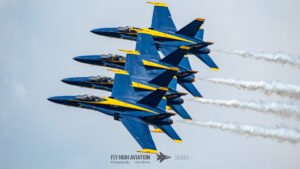
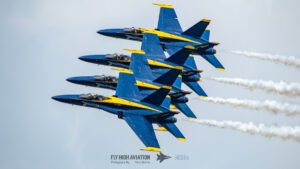
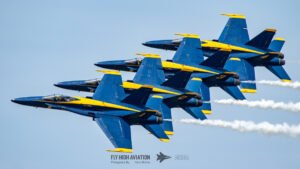
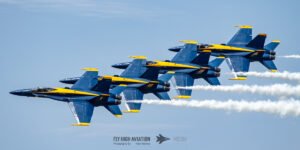
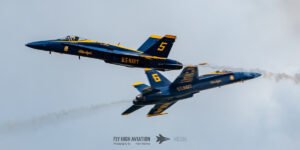
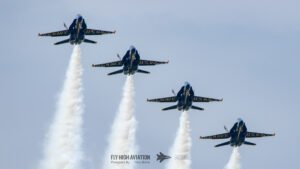
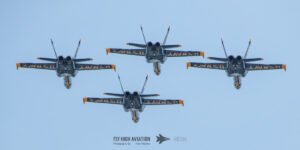
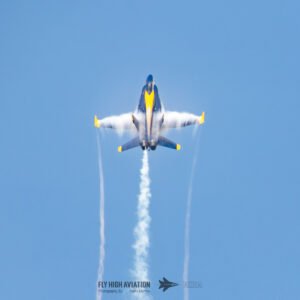
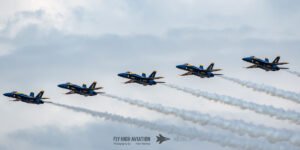

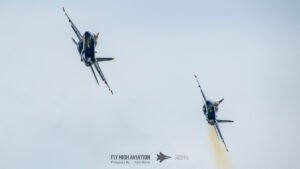
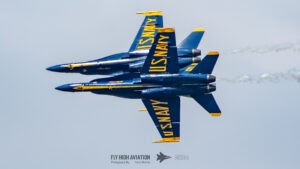

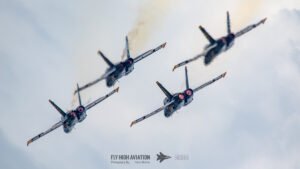
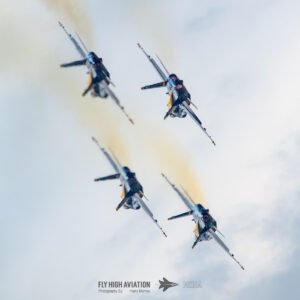
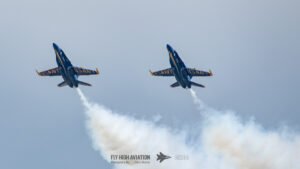
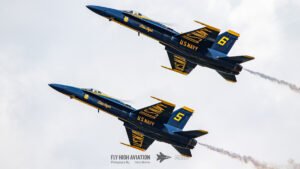
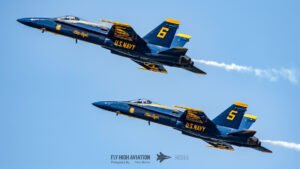
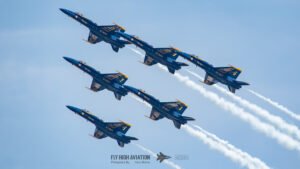
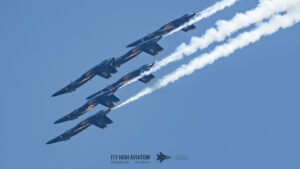
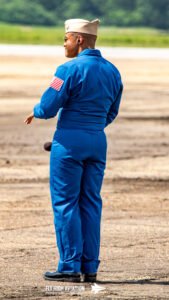
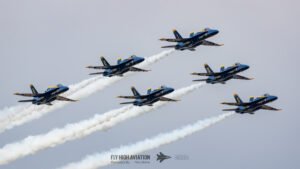
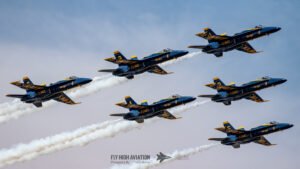
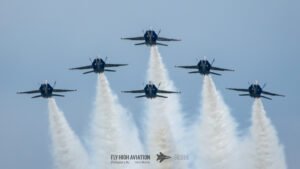
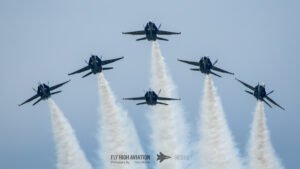
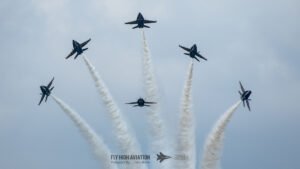
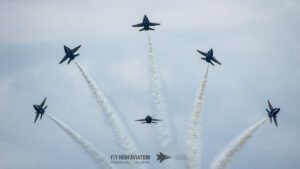
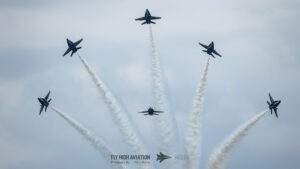
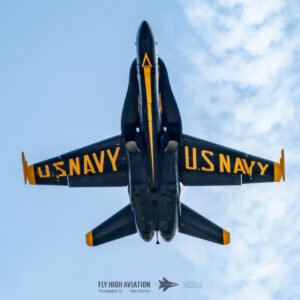
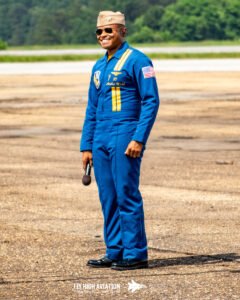
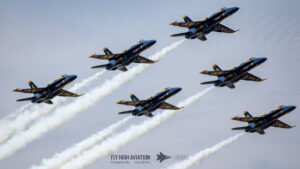
The 2018 Blue Angels display at the PAX River Air Expo unfolded with the kind of confidence and sharpness that comes from performing over a base deeply tied to naval aviation. From the moment the jets taxied out, the atmosphere shifted into something electric. The crew’s precise movements, the pilots’ walkdown, and the rising growl of the F/A‑18s created a sense of ceremony that pulled the entire crowd into the moment.
Once airborne, the diamond settled into its trademark tight formation, carving smooth loops and rolls that looked almost effortless against the wide PAX River sky. The open airspace gave their vertical maneuvers extra presence, letting the team stretch upward in tall, clean lines before sweeping back down in perfect symmetry. The solos brought a sudden change in tempo, slicing across the field with high‑G turns, knife‑edge passes, and the kind of opposing maneuvers that make the crowd gasp even when they know they’re coming. The Sneak Pass hit with perfect timing, catching the audience just as their attention drifted toward the diamond’s repositioning.
When all six jets rejoined, the Delta formation filled the sky with broad, sweeping patterns that showed off the team’s discipline and timing. Their final break and landing sequence wrapped the performance with the same precision that defined the entire display, leaving the field buzzing with the unmistakable energy of a Blue Angels home‑base show.
Sunday 3rd June 2018
Sunday 3rd June turned into the kind of day every airshow fan dreads. The morning began with heavy rain and a low, unbroken ceiling that kept spirits cautious but hopeful. For a brief moment it looked as though the weather might ease—base and local emergency vehicles lined up for the national anthem, engines idling, lights reflecting off the wet tarmac, giving everyone a sense that the show might still push through. That small window of optimism didn’t last. The rain returned with even more force, driven by strong winds that swept across the field and made any chance of safe flying disappear. Conditions never improved, and eventually the difficult but unavoidable decision was made to cancel the Sunday show.
Even with the disappointment, the efforts of the staff, volunteers, and crews stood out. They worked tirelessly through the downpour, doing everything possible to keep the event running and to keep spectators informed and safe. Their dedication was clear, and the crowd’s appreciation for their hard work remained strong despite the weather’s final say.
static display #1 – 21
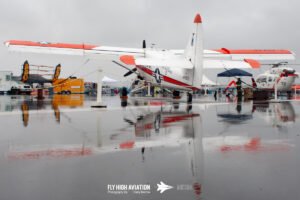
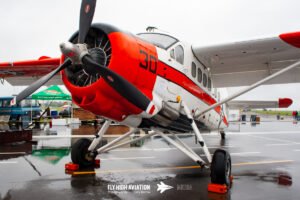
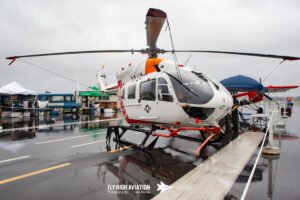
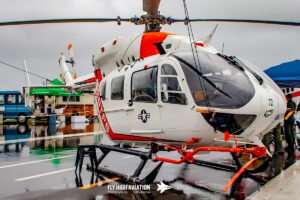
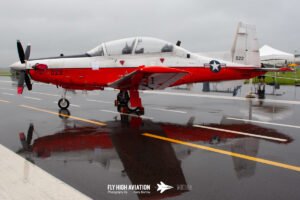
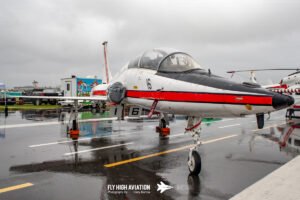
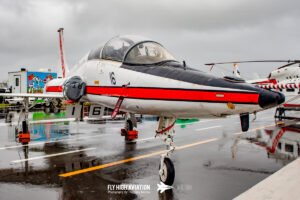
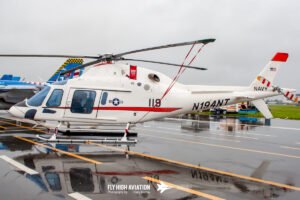
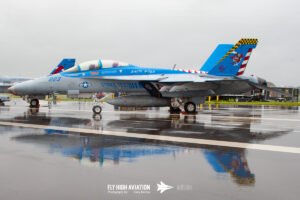
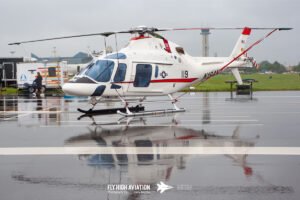
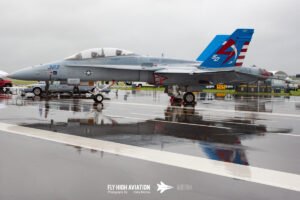
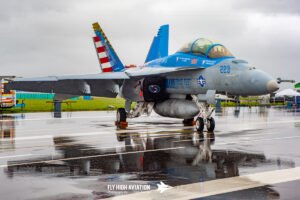
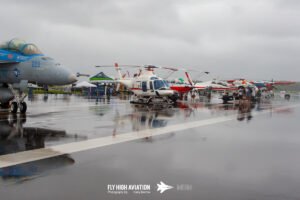
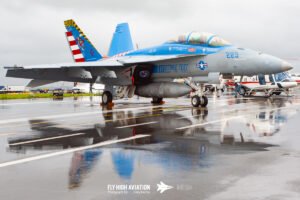
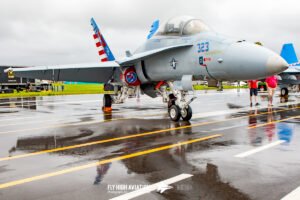
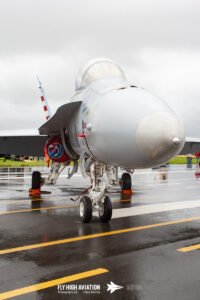
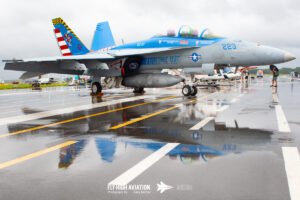
The first of the three static sections had a character all its own. The heavy rain that washed out the flying actually created something visually striking on the ground. Water pooled across the ramp and turned the tarmac into a mirror, giving the aircraft a dramatic set of reflections you rarely get to see. These machines, normally viewed in the context of their test missions at Pax River, suddenly looked almost theatrical—bright markings doubled beneath them, navigation lights shimmering across the wet surface, and every contour of their airframes outlined by the sheen of standing water. Instead of hiding the aircraft, the weather revealed them in a new way, turning a grey, difficult day into an opportunity to appreciate these test platforms from a more artistic angle.
static display #2 – 22
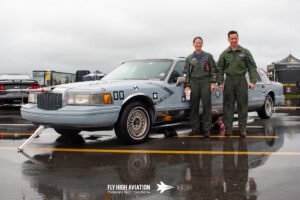
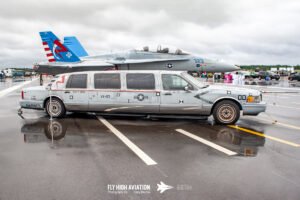
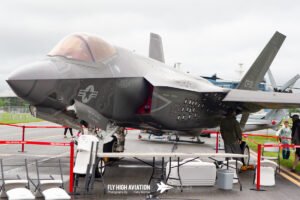
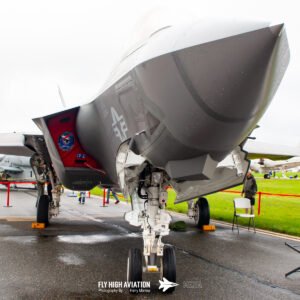
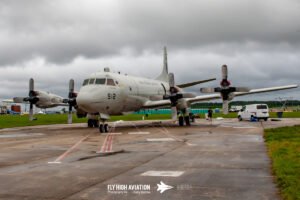
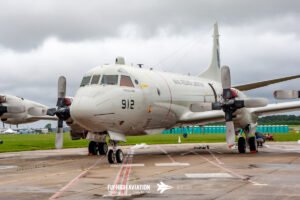
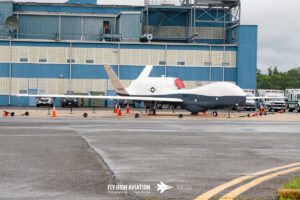
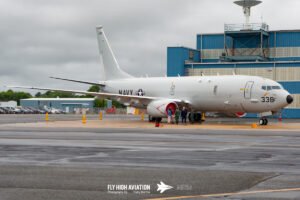
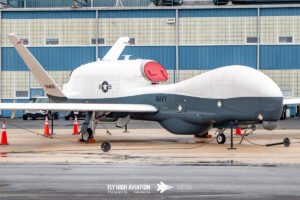
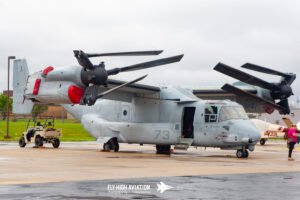
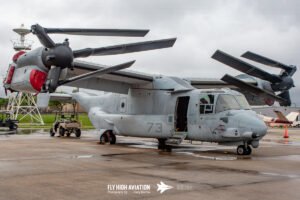
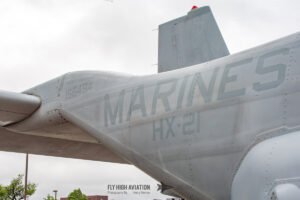
The next section of the static park brought a tight cluster of key Pax River test aircraft, all made more striking by the rain‑soaked ramp. The F‑35 sat with its sharp, angular lines perfectly mirrored in the standing water. The P‑3 Orion showed off its long wings and classic patrol profile, while the RQ‑4 Global Hawk added a sleek, unmanned contrast. The P‑8 Poseidon looked clean and modern beside its predecessor, and the MV‑22 Osprey from HX‑21 stood out with its folded rotors and distinctive tiltrotor stance. The reflections turned what could have been a gloomy morning into a surprisingly dramatic display.
static display #3 – 23
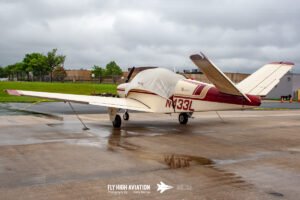
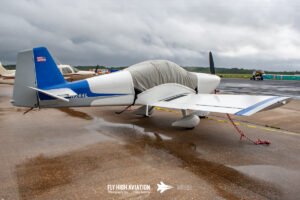
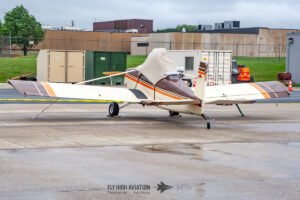
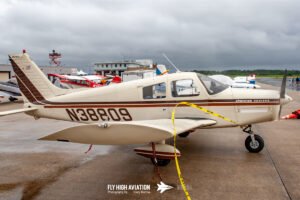
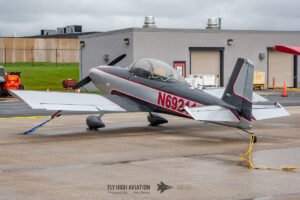
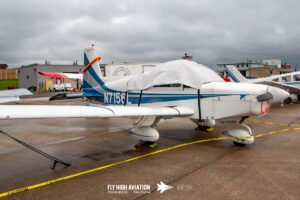
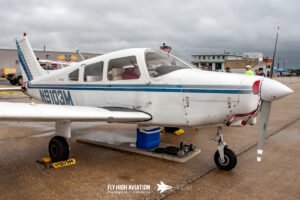
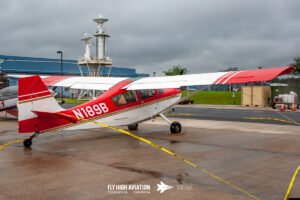
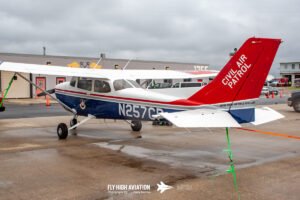
The final static section brought things back down to a smaller, more personal scale. A handful of based and visiting light aircraft sat along the edge of the ramp, and the worsening weather meant most of them had to be tied down securely. Ropes stretched tight against the gusts, propellers and control surfaces shuddered in the wind, and the rain pooled beneath them just as it had with the larger aircraft. The reflections were still there, but the mood was different—quieter, more subdued, and shaped by the sense of these lighter machines riding out the storm. It was a simple scene, but one that captured the resilience of general aviation in rough conditions.
hanger tour – 24
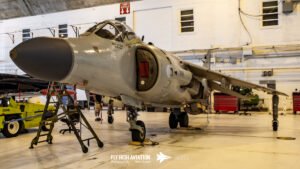
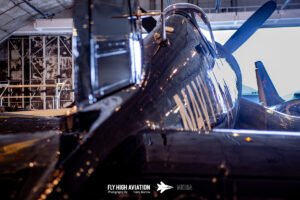
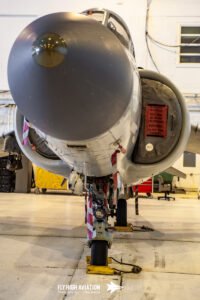
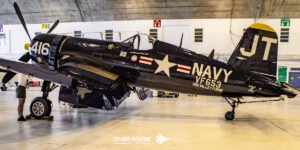
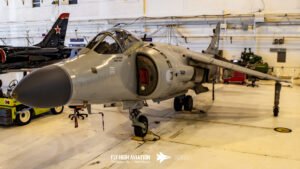
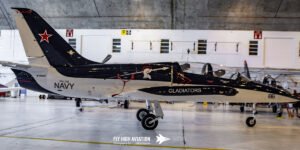
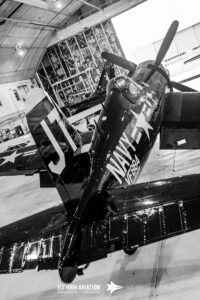
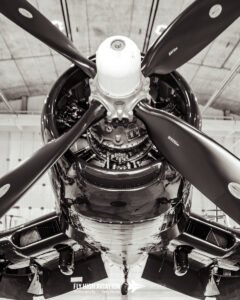
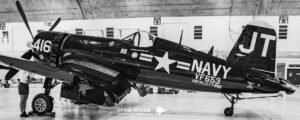
Our hanger tour was a real bright spot in an otherwise difficult weather day. Being welcomed into the hangar offered a chance to step out of the rain and see a different side of the base—quiet, focused, and full of the aircraft and people who keep Pax River running. It turned a washed‑out morning into something memorable, and the warmth and professionalism of the public affairs team made the experience even better. Their willingness to take the time, answer questions, and share a look behind the scenes was genuinely appreciated, especially given how hard everyone was already working to manage the weather and the schedule.
until next time – 25
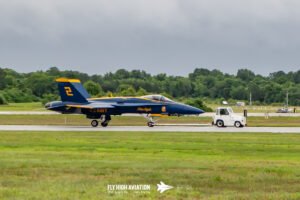
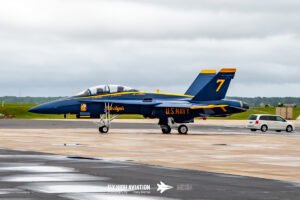
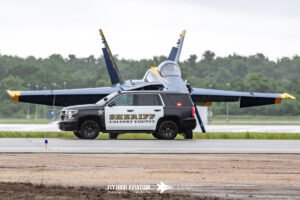
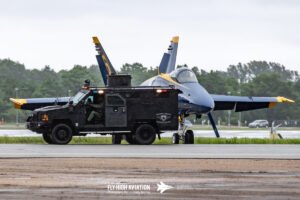
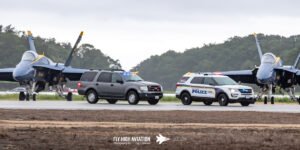
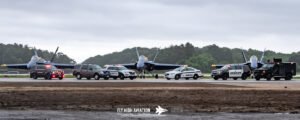
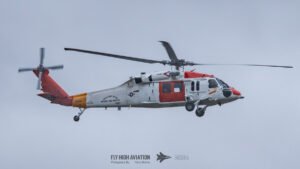
The final image section captured the mood of the day perfectly. The rain was still falling hard, the ceiling was low, and visibility kept shifting as bands of weather pushed across the field. Even the EMS vehicles and the helicopter struggled to line up in the worsening conditions, their lights cutting through the mist while the wind pushed at them from every angle. It was a scene that summed up the whole weekend—determined people doing their best against weather that simply wouldn’t cooperate. And with that, well folks, until next time.
The weekend brought a mix of memorable flying, striking static displays, and challenging weather, but the experience was made possible thanks to the outstanding support behind the scenes. Special thanks go to the Naval Air Station Patuxent River Public Affairs Office, whose assistance, coordination, and generous use of facilities were invaluable in helping this report come together.
Until next time,
Harry Morrow, FHAM
Editor, Fly High Aviation Media
We hope you enjoyed this article, please see our links above for many more events and reports. Click the button below to return to the top of the page.