
RIAT Royal International Air Tattoo
RAF Fairford, United Kingdom 18th To 20th July 2025
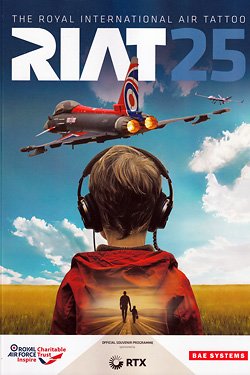
The RIAT report is separated into three pages, page 1 contains the main story board, page 2 contains images of the flying display & page 3 contains images of the aircraft on static display, use the buttons below to navigate between pages, the links are also repeated at the bottom of each page.
Please scroll down to read the whole page use these buttons below to jump to a section of our report from the Royal International Air Tattoo 2025 held at RAF Fairford, United Kingdom
INTRODUCTION
The Royal International Air Tattoo (RIAT) 2025 distinguished itself as a premier aviation showcase, featuring an exceptional program of aerial displays, precision demonstrations, and notable aircraft debuts. Attendees experienced a dynamic blend of breathtaking fly pasts, aerobatic excellence, and interactive exhibitions that underscored the event’s reputation as the world’s leading military airshow. With strong international participation, RIAT 2025 fostered both global collaboration and technical exchange, reinforcing its role as a cornerstone of aviation innovation and community.
To provide a clear and engaging record of the event, this RIAT report is organized into three dedicated pages:
Page 1: The main storyboard, capturing the narrative and highlights of RIAT 2025.Explore the Storyboard → Relive the highlights and narrative of RIAT 2025.
Page 2: A curated selection of images from the flying display. View the Flying Display → Experience the thrill of aerial performances.
Page 3: A collection of images showcasing aircraft on static display. Discover the Static Display → Get up close with aircraft on the ground.
Navigation buttons are provided below to move seamlessly between pages, with links also repeated at the bottom of each section for ease of acce
Photography By: Harry Morrow & Andrew Robinson.
themes at riat 2025
The central theme for RIAT 2025 was “Eye’s in the Skies,” highlighting the critical roles of aerial surveying, airborne early warning, maritime patrol, search and rescue, reconnaissance, signals intelligence, and surveillance. The focus was on the aircraft and crews whose advanced capabilities ensure the safety, security, and situational awareness of nations. Each display underscored the innovation, expertise, and dedication required for these vital aerial missions.
EYE’S IN THE SKIES
40 YEAR’S OF RIAT AT RAF FAIRFORD
APACHE 50
In addition, RIAT 2025 marked a significant milestone—the 40th anniversary of the show being held at RAF Fairford. This special occasion brought together aviation professionals, enthusiasts, and participants from around the world to celebrate four decades of exceptional displays and achievements at this renowned venue. The anniversary was a testament to RIAT’s enduring legacy and its prominent place in the global aviation community.
40 YEAR’S OF RIAT AT RAF FAIRFORD


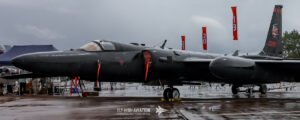

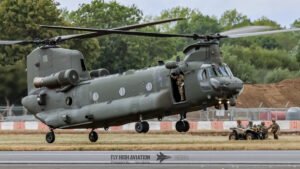
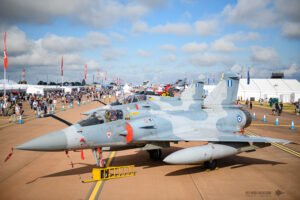
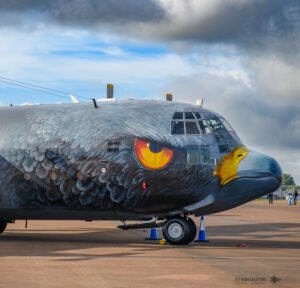
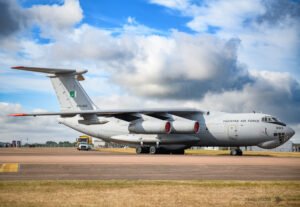
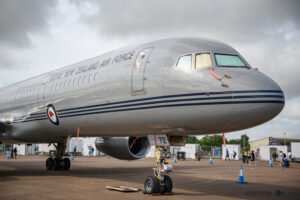
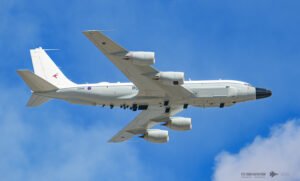
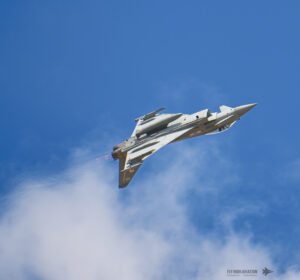
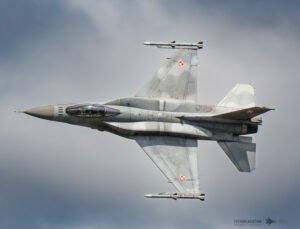
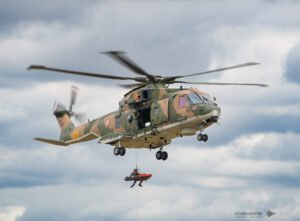
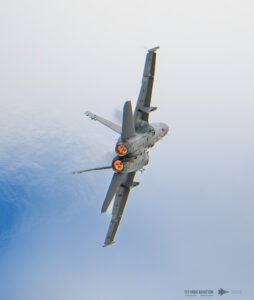



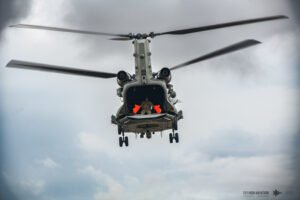

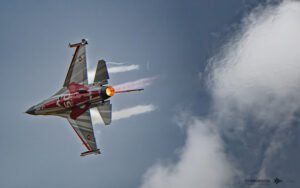

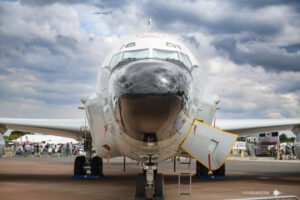

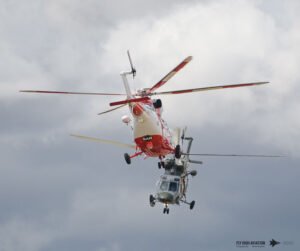
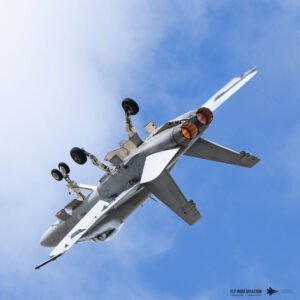
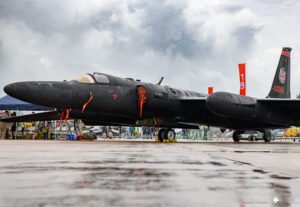
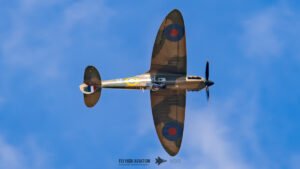

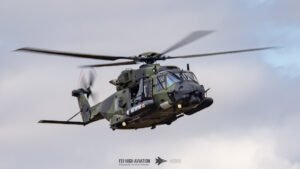

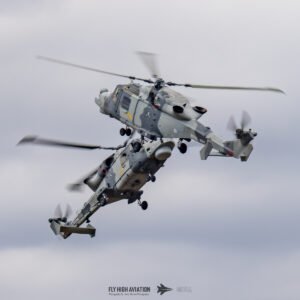
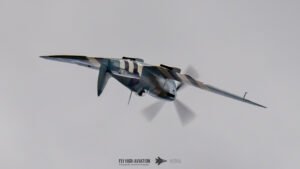
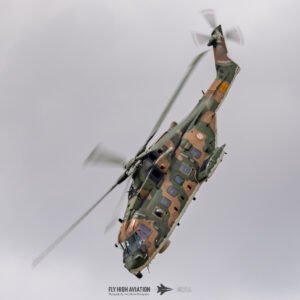
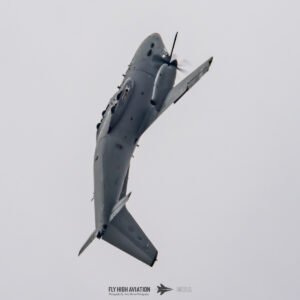

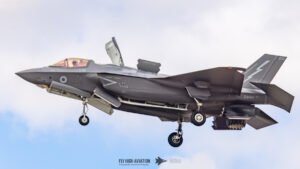

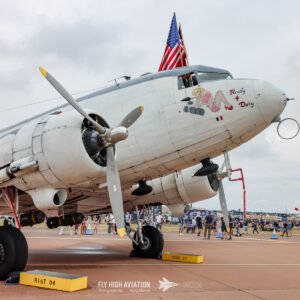

Fly High Aviation Media proudly presents a curated collection of 40 images from RIAT 2025, celebrating the theme “40 Years of RIAT at RAF Fairford.”
“40 Frames of Aviation Power, 2025.”
FLY HIGH AVIATION MEDIA RIAT 2025
Planning for RIAT is not for the faint of heart—it’s a grand adventure in itself! My travel partner Andrew Robinson and I packed our bags in the Washington, DC area, ready for the transatlantic dash to the 2025 Royal International Air Tattoo. Of course, fate wasn’t going to let us off easy: thunderstorms threw a few curveballs our way, and missed connections tried to keep us grounded. But, undaunted, we finally reunited at London Heathrow, shared a high-five, and set our compass for Oxford, our cozy basecamp for the next three nights.
With passes in hand, we conquered the full RIAT weekend experience—Friday, Saturday, and Sunday—soaking in every dazzling moment. The British weather, true to its reputation, kept us guessing: rain, sun, a little bit of everything. Whenever the skies opened up, we made a beeline for the media tent, our trusty refuge (and a great spot for swapping stories and sipping coffee). Luck has usually been on my side in past years, but this time, the weather gods kept us on our toes!
I can’t sing the praises of the media reception team enough—they’re absolute superstars, working magic alongside the ever-enthusiastic cadets and everyone else who keeps the show running. Thanks to their top-notch support, we were able to file reports, post updates to our websites and social media, and even squeeze in some fantastic interviews. It’s safe to say, RIAT 2025 was an unforgettable flight of fun and inspiration!
Once my work at RIAT was complete, I was eager to reconnect with family and indulge in our shared love of aviation. Being originally from the UK, I had arranged to meet my grandson—an avid plane spotter himself—at London Heathrow, Britain’s premier airport. We spent three wonderful days together, marveling at the constant stream of arrivals and departures, and sharing stories about our favorite aircraft.
View From The Courtyard Marriot Hotel
Courtyard by Mariott London Heathrow Airport
https://www.marriott.com/en-us/hotels/lhrcy-courtyard-london-heathrow-airport/overview
1 Nobel Drive, Harlington, Hayes, England, United Kingdom, UB3 5EY Fax: +44 203-8137660
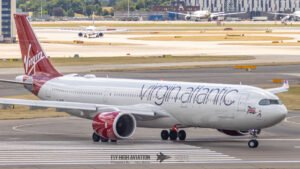







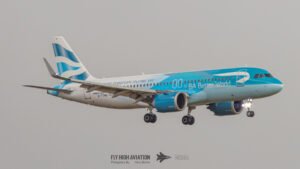



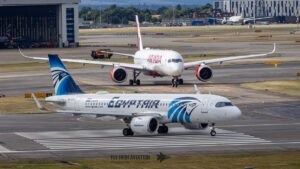


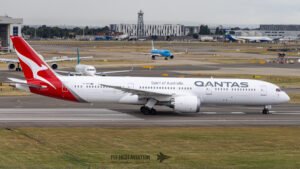
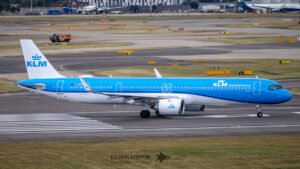
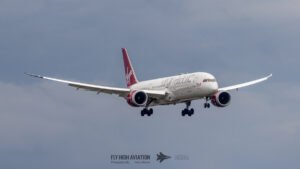
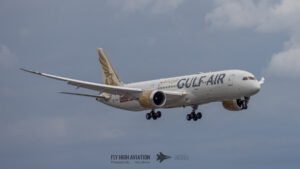
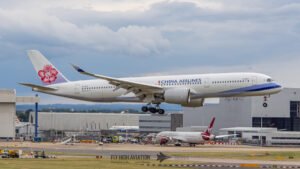







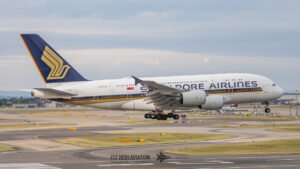

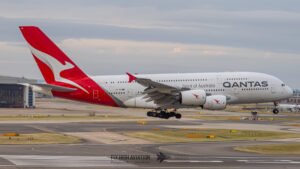


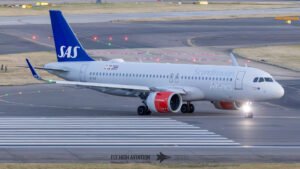
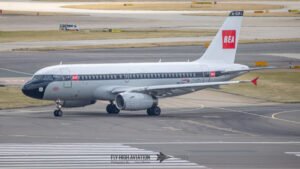

I would like to extend my sincere gratitude to the front office manager, Vancey JK, whose exceptional attention to detail ensured that my grandson and I were provided with one of the hotel’s premier rooms, boasting an outstanding view. Having visited London Heathrow Airport for several decades, I can attest that the Courtyard Marriott at London Heathrow offers the finest vantage point of any hotel in the area. The dining options and restaurant service are consistently five-star; every aspect of our stay was truly excellent.
The entire staff demonstrated remarkable warmth and hospitality, making us feel genuinely welcome throughout our visit. For aviation enthusiasts and photographers alike, the hotel presents unparalleled opportunities, as reflected in some of the images above. On future trips to the UK, I will undoubtedly choose the Courtyard Marriott again. My deepest thanks to all the staff for providing such a memorable and outstanding experience. My gratitude also goes out to fellow aviation journalist Andrew Robinson, did a incredible job catching two premier interviews (see further down), Andrew had a couple of days in London Heathrow then headed back home to USA.
After our Heathrow adventure, we flew north to Manchester and made a quick trip over the Pennines to visit my family and friends. The time spent reminiscing and catching up was truly special. Our journey home was just as memorable, with a stopover in Iceland before finally returning to Maryland, hearts full and cameras packed with memories.
INTERVIEW #1 U2 PILOT
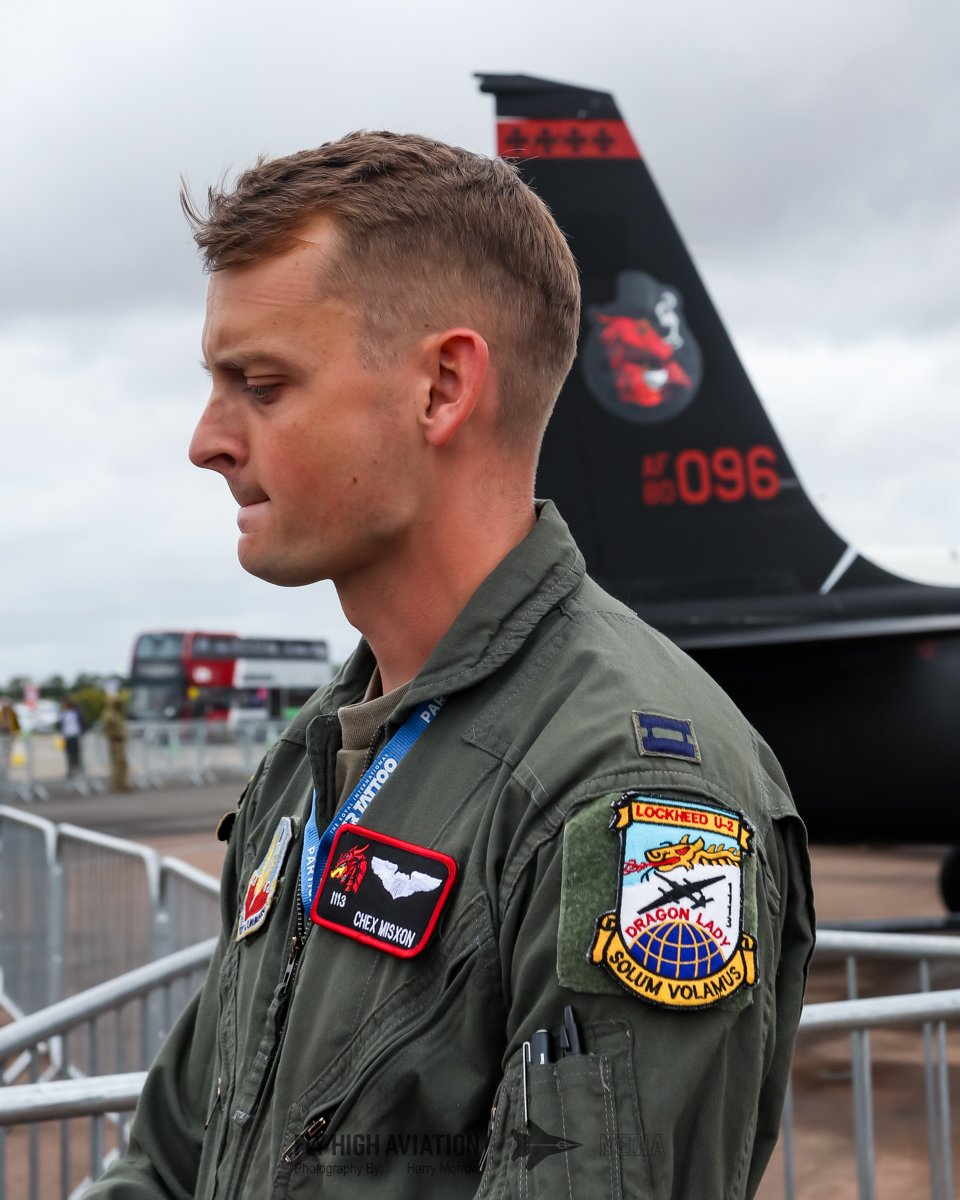
U2 Pilot Capt Mixson “(CHEX)” Exclusive Interview
1955. Back then, televisions had knobs, guys wore thick glasses and skinny ties, and Disneyland opened. The Union of Soviet Socialist Republics (USSR) started the Warsaw Pact, and West Germany joined NATO. It was also the year that the U-2 spy plane, nicknamed the “Dragon Lady,” first flew. The U-2 has gone on to fly a collective 500,000 flight hours over countless countries, one source online estimates, supporting both U.S. national security, disaster relief, as well as foreign policy objectives. A powered glider with an incredible package of electronic and imagery intelligence suite to boot, the U-2 is one of the most famous aircraft the U.S. Air Force has flown, second only to the SR-71.
Editorial & Interview by: Andrew Robinson
Ultimately belonging to the 9th Reconnaissance Wing at Beale Air Force Base, California, several U-2s are forward deployed to bases in Europe, the Middle East, and Asia in support of U.S. and allied intelligence, surveillance, and reconnaissance (ISR) requirements. One of those bases is RAF Fairford, the location of the Royal International Air Tattoo (RIAT.) Fly High Aviation Media was on site at RIAT 2025, coincidentally the 70th anniversary of the aircraft’s first flight, and was fortunate to have an interview with a U-2 pilot, as well as getting to go behind the fence line for otherwise unobtainable photos. Captain “CHEX” Misxon, the 1,113th person to fly the U-2, based on his patch, took some time out of greeting the hordes of onlookers to answer questions from FHAM and other outlets.
FHAM- “Thank you for taking the time to speak with me today. This year marks the 70th anniversary of the U-2 and, I’ve got to say, the aircraft looks like it’s in excellent condition. How do you keep them looking so nice?”
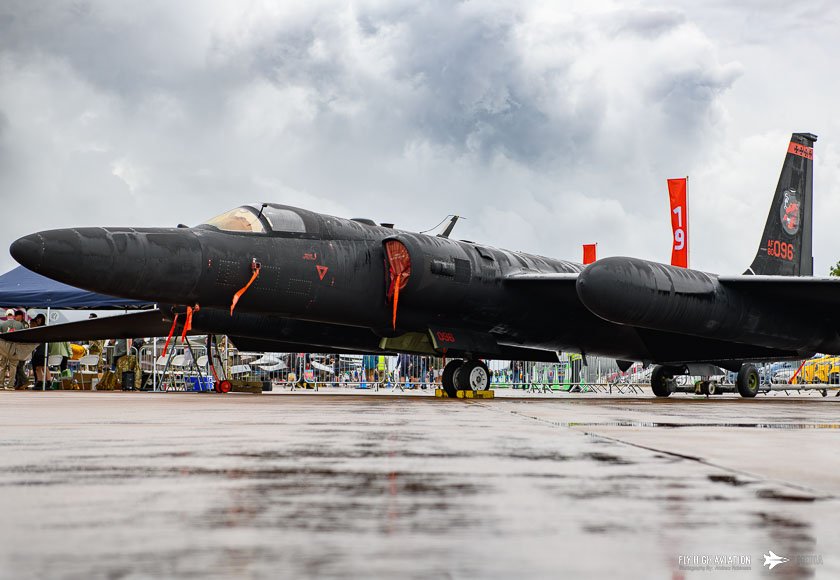
CHEX- “Yeah, we get called a “Cold War relic” quite a bit, but the aircraft, while designed in the 50’s, has gotten continuous updates throughout its life. For example, the aircraft behind us (B/U- 80-096) was built in the 80’s and has been updated to give the pilot more situational awareness. The airframe is modular, so we can stick things inside the aircraft to update it, like sensors or avionics, as needed to fit mission requirements.”
FHAM- “And what are the difficulties of flying the U-2?”
CHEX- “*chuckles* Well, we call it the ‘Dragon Lady,’ because up high it’s like dancing with a lady; that’s where it belongs and she likes to fly up there. Down low, it’s more like dueling with a dragon. That’s where a lot of the hard work comes in, that’s where we earn our money, is down low. We have to wrestle the aircraft to the ground. It’s all cables and pulleys, they’re not hydraulically boosted flight controls, so the aircraft is quite heavy and there’s a lot of inertia to fight with. On a normal day, she can be challenging to land, but it’s more difficult when it’s windy. That said, it’s more challenging to do anything after the long missions that we fly. Those are some of the daily challenges that we face. Obviously, we don’t have a normal gear arrangement, right? We’re landing a bicycle, and we train for that regularly. That’s what we get paid to do, that’s what we’re here for.”
FHAM- “So with the U-2, is it a case of adapting her as the years go on, or are you looking for a replacement?”
CHEX- “So they U-2’s been around for 70 years, and we’re doing the mission admirably. We’re in demand globally, and we’re still meeting our mission requirements. As far as a replacement, I can’t comment on that, but I can say that we’re doing what we’re supposed to do.”
FHAM- “Now for you, as a pilot, what are the things that you look forward to everyday?”
CHEX- “Getting in the cockpit, you still get that rush; you’re in the suit and you get integrated, you’re kinda getting yourself hyped up for the mission and what’s about to come. There’s always that bit of excitement when you know what’s about to happen. The first 20 minutes are a little bit difficult, as are the last 20 minutes. It’s a humbling and challenging aircraft to fly every day and you have to respect it. I’m extremely proud to fly this aircraft and be part of the community. There are some really special moments, like looking outside at 70,000ft and seeing the curvature of the Earth and the stars. I love to take in those moments to appreciate the job I’m doing, it’s a pretty incredible experience.”
FHAM- “Does it ever get lonely up there by yourself, or are you mostly focused on the mission while you’re flying?”
CHEX- “I’d say it takes a certain kind of person to be okay with being alone in a suit in a confined space for an extended period of time. But for me I don’t mind the quiet, I like being with my thoughts and just listening to the hum of the engine.”
FHAM- “If you could fly anything else here at RIAT, what would it be?”
CHEX- “I’d probably say the F-16. I’ve always been a big admirer of it, it’s been around for a long time and it changed the way that fighters were made. That said, I’ll fly the U-2 as long as I can and for as long as the aircraft is around.”
FHAM- “So going back to the training process. I know pilots go to UPT (Undergraduate Pilot Training) and fly something else before you get to the U-2, but what’s the selection and training process like for the U-2?”
CHEX- “So, all U-2 pilots, when they apply, are experienced and usually have 800 to 1,000 hours of flight time before they even get to us. For me, my first assignment was as a First Assignment Instructor Pilot, or a FAIP. I taught in the T-6 and got a lot of hours and experience, almost 1,200 hours doing that. From there, once you’ve got the required hours, you put an application packet together and send it over to Beale, where they check it over and, if they want to, the unit will invite you out to for a formal interview, which is a two-week process. During that second week, you get to fly three sorties with an instructor pilot in the two-seat version of the aircraft. The point of that is to judge how quickly you learn, it’s quite a tricky plane to fly, and they want to make sure you can handle the learning pace to graduate the “B course,” which is aircraft-specific training.”
[It should be said that, during the first week of the interview process, prospective U-2 pilots are given an astronaut physical, talk with a psychologist, and learn the history of the U-2 mission, and of the 9th Reconnaissance Wing. Most candidates will “wash out” during that extremely rigorous physical as it checks nearly every system of your body and goes quite far back in your medical history.]
FHAM- “And you’ve got the T-38, which is your companion trainer. How many hours per month would you say you get in that versus the U-2?”
CHEX- “Oh we can fly the T-38 as much as we want, but the U-2s we get less hours per month just based off what our training requirements and aircraft availability are.”
FHAM- “So finally, as far as a normal sortie length, what are you usually preparing for? Something like 7, 8, 9 or more hours?
CHEX- “Yep, that’s about right, 8-10 hours is our normal, but we can go longer if mission requirements dictate.”
FHAM- “Thanks so much for taking the time to speak with me today, I very much appreciate it!”
Along with the aircraft on static display, a U-2 performed short flying displays on both Saturday and Sunday. It conducted flat passes, as well as a few passes with the gear extended, including the infamous white chase-cars that follow closely behind the aircraft with another U-2 pilot talking the aircraft down to a smooth, safe landing.
FHAM would like to extend our thanks to Captain Mixson and all the 99th Expeditionary Reconnaissance Squadron staff that attended RIAT for their generosity.
RAF CADETS
JOIN THE RAF CADETS
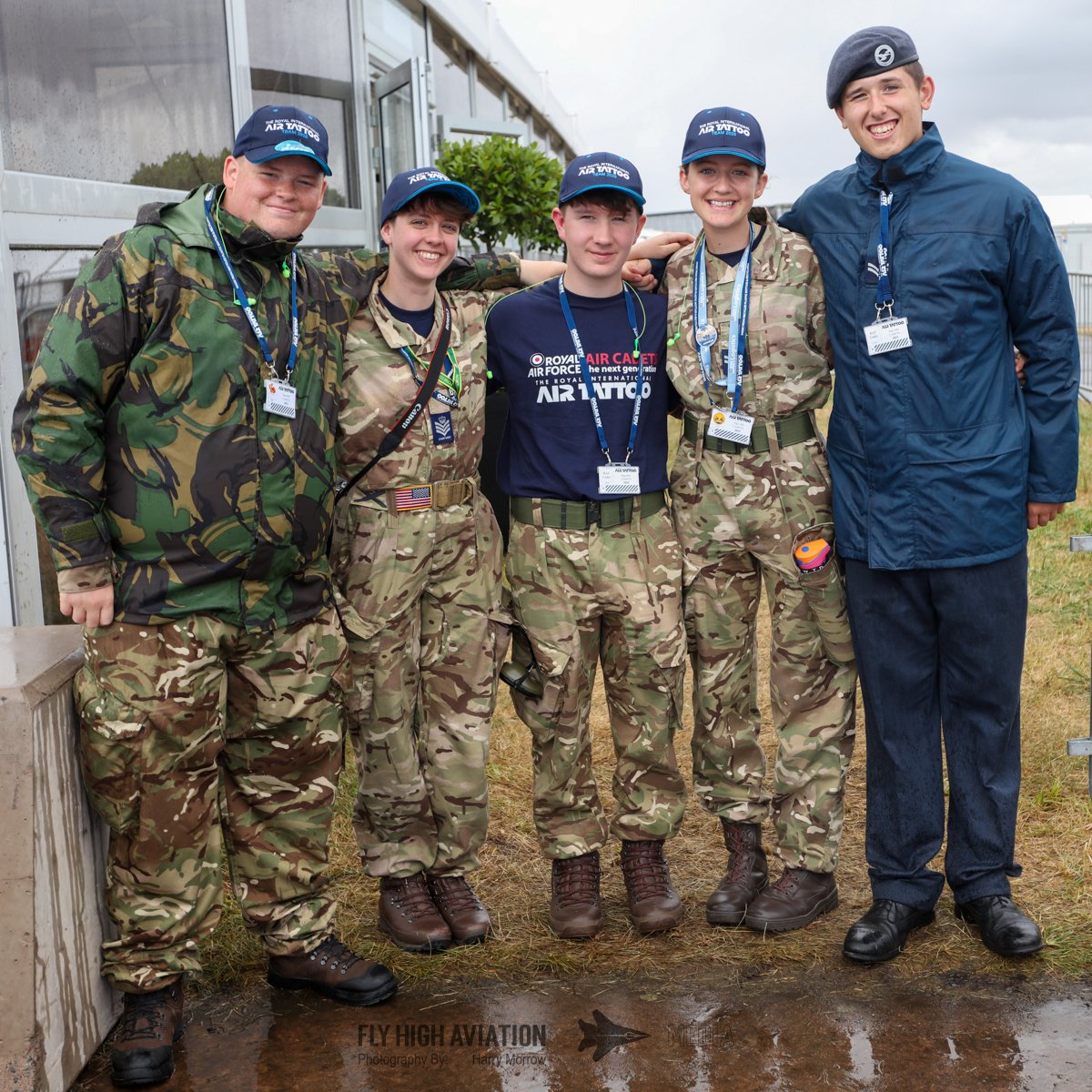
The Royal Air Force Air Cadets (RAFAC) is a UK-based volunteer youth organization, proudly sponsored by the Royal Air Force. It provides young people aged 12 to 20 with access to an extensive range of activities, including flying, gliding, sports, and adventure training. Through these opportunities, cadets develop essential skills such as leadership, teamwork, and discipline. The experience and qualifications gained through the program benefit cadets in all aspects of their future endeavors, whether they choose a career in the military or pursue civilian paths. Sincere thanks are extended to all cadets for their dedication and exemplary service at RIAT each year; your commitment is integral to the event’s ongoing success. For further information contact the RAFAC at the following: www.raf.mod.uk/aircadets/ www.facebook.com/aircadets/ – www.instagram.com/aircadets/ – www.youtube.com/@aircadetsUK
INTERVIEW #2 RIVET PILOT
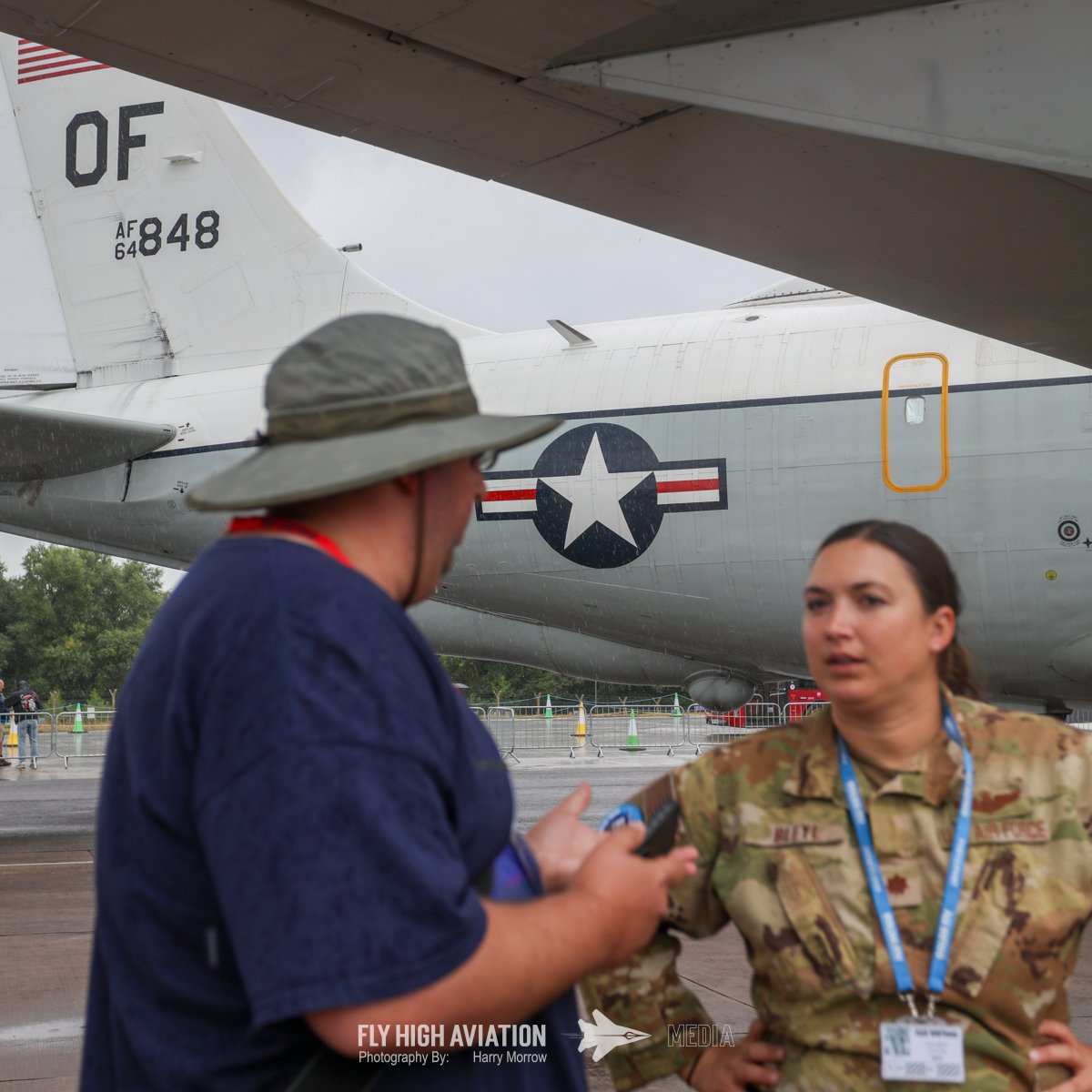
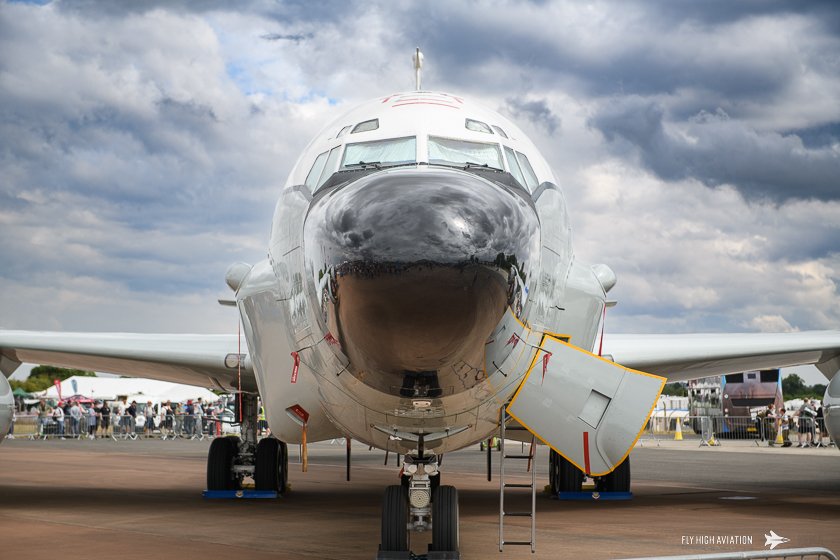
The beginning of the Russian invasion of Ukraine (alternate: Ukraine War, War in Ukraine) brought with it a new dimension: the public being able to track aircraft involved in the conflict in real-time. Applications like FlightRadar24 and ADS-B exchange saw huge increases in traffic as people were able to see what intelligence, surveillance, and reconnaissance (ISR) aircraft, bombers, tankers, and fighters were flying as it happened. Specifically, the first few days brought with them an increased showing of Boeing RC-135 Rivet Joint aircraft. These retrofitted 707 fuselages have been rehabilitated with enormous receivers to “suck up trons,” meaning electronic emissions from a huge swath of the electromagnetic spectrum. Dubbed Signals Intelligence (SIGINT) or Electromagnetic Intelligence (ELINT), the information collected by the Rivet Joints of the U.S. and U.K. allow military strategists and intelligence analysts alike a dependable platform from which to collect SIGINT and ELINT. Based out of Offutt AFB, Nebraska, RC-135s are forward deployed to many locations across the globe, one of those being RAF Mildenhall, a short flight away from RAF Fairford. RC-135 64-848 was on hand, as was a strong selection of merchandise, and Fly High Aviation Media was able to conduct a short interview with an RC-135 pilot, Bleyl USAF.
Editorial & Interview by: Andrew Robinson
FHAM- “Hello! Thanks for taking the time to speak with us today. For those who don’t know, can you give a quick rundown on the mission of the RC-135 Rivet Joint?”
Pilot- “We’re a reconnaissance platform so, with the theme of this year’s show being “Eyes In The Sky,” we’ve come to display. We’re in the same family of aircraft like the E-3 AWACS (Airborne Warning And Control System), the U-2, some of the drones that are here. There are four different variants of the RC-135, and each has a very unique mission.”
FHAM- “Is this the first time that the Rivet Joint has come to the show?”
Pilot- “Nope, we came last year as well, but that was the first time in about 20 years that we’d come. It’s my second time, but the first time for a lot of the crew members here and we’re all very excited to show off the aircraft to people.”
FHAM- “How was your unit able to flex to meet the demands of the Ukraine War? I’m sure it was very stressful.”
Pilot- “Yes so we’ve got four squadrons here at Mildenhall of permanent staff that were able to step up to the plate. It was very stressful but also very rewarding as we understood the historical significance of what we were doing.”
FHAM- “My last question, as I see a line forming here behind me, but can you go through what some of the operators in the back of the airplane are working on? What are they looking to collect?
Pilot- “Yeah so we’ve got various career fields in the back, it’s mostly cryptological. We’ve got airborne maintenance and airborne systems, as well as electronic warfare folks that respond to taskings that fall in their specific air force career fields and specialties.”
FHAM- “Thank you very much!”, on behalf of FHAM we would like to extend our thanks and gratitude to USAF Pilot Bleyl and the other members of the 55th Wing & 38th RS (reconnaissance Squadron) staff that attended RIAT 2025, for their generosity and time.
RIAT 2025 REVIEW
The Royal International Air Tattoo (RIAT) 2025 was not simply another edition of the world’s largest military airshow; it was a statement of aviation’s enduring relevance and its evolving future. Across several days, RAF Fairford became a stage where tradition met innovation, and where the spectacle of flight was matched by the substance of international cooperation.
From the opening flypasts to the closing aerobatic routines, the program reflected both precision and imagination. Established display teams delivered their trademark excellence, while debut aircraft underscored RIAT’s role as a launchpad for technological progress. The atmosphere was charged with anticipation, as enthusiasts and professionals alike witnessed demonstrations that ranged from supersonic agility to heavy‑lift capability.
What set RIAT 2025 apart was the depth of international participation. Nations from across the globe contributed aircraft and crews, transforming the event into a living forum of technical exchange and cultural camaraderie. Conversations between pilots, engineers, and visitors highlighted the human dimension of aviation — the shared passion that transcends borders. This dynamic reinforced RIAT’s reputation not only as a showcase of hardware, but as a meeting ground for ideas and partnerships.
Recognition of excellence came through the awards program, which carried particular significance this year. The Pakistan Air Force earned distinction with the Conquerors Delegates Trophy for its C‑130A, a testament to operational heritage, and the Spirit of the Meet Trophy for the JF‑17 Thunder Block 3, representing forward‑looking innovation. The Swedish Air Force Second Helicopter Squadron received the Rear Engagement Trophy for its Sikorsky HK P16 Blackhawk, a display that combined technical mastery with professional dedication. These honors underscored the balance between tradition and progress that defines RIAT.
Beyond the aircraft and accolades, RIAT 2025 succeeded in creating a narrative of aviation as both spectacle and substance. The event reminded audiences that air power is not only about performance in the skies, but also about the communities, collaborations, and commitments that sustain it. In doing so, RIAT strengthened its legacy as a cornerstone of global aviation — a place where history is celebrated, innovation is unveiled, and the spirit of flight continues to inspire.
FLYING DISPLAYS
From our arrival on Friday through Sunday evening, the Royal International Air Tattoo delivered nearly 20 hours of flying displays despite unsettled weather, producing a program rich in highlights and high‑profile moments.
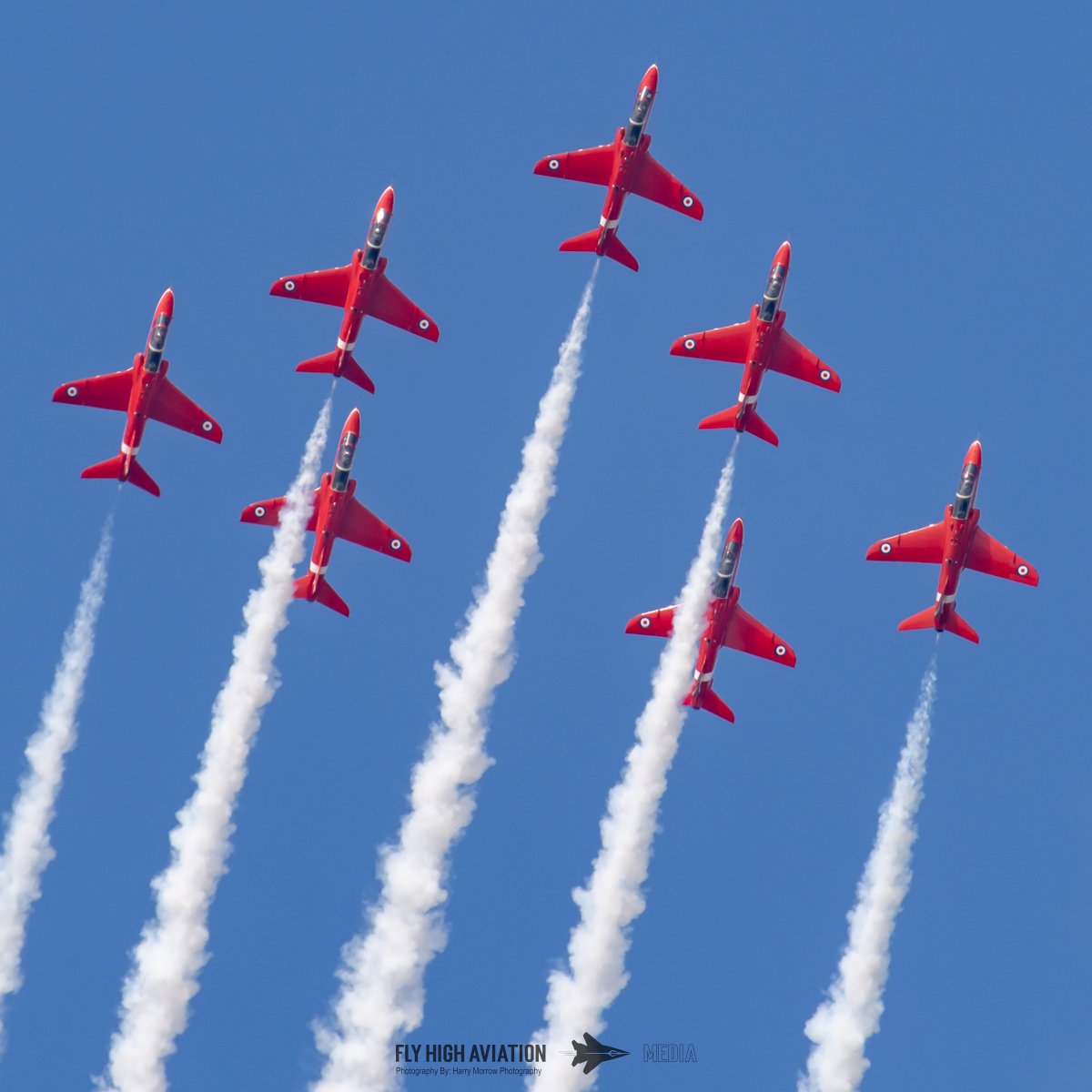
The Royal Air Force featured prominently across all three days, with the Red Arrows headlining alongside the Eurofighter Typhoon FGR4, Boeing Chinook HC6 role demonstration, and the Battle of Britain Memorial Flight. Engineers worked tirelessly to return the Avro Lancaster B1 to service following engine issues, while the “Eyes in the Skies” theme brought rare appearances from the RC‑135V Rivet Joint, P‑8A Poseidon, F‑35B Lightning, and C‑17 Globemaster III. The debut of the Boeing E‑7A Wedgetail AEW1 nearly faltered due to technical issues, but a rescheduled flypast with the Red Arrows salvaged the moment and marked its first public appearance.
National teams brought colour and heritage. Italy’s Frecce Tricolori celebrated its 65th anniversary with a nine‑ship display and a special pairing of the future T‑346A Master with the restored Fiat G‑91R/1A. The Royal Jordanian Falcons and Slovenia’s PC‑9M Hudournik added aerobatic flair, with Captain Andrej Fiorelli earning the King Hussein Memorial Sword for precision flying.
Fixed‑wing contributions to the “Eyes in the Skies” theme included a graceful pairing of Spitfires, the French Navy’s charismatic Atlantique ATL2, and a rare full demonstration by the USAF U‑2S in mission configuration — a sight unique to RIAT in Europe.
Rotary displays added further spectacle. The Army Air Corps impressed with a fiery Apache and Wildcat routine supported by pyrotechnics, while the Royal Navy’s Black Cats delivered synchronized precision. The Czech Air Force’s W‑3A Sokóls performed a unique dual search‑and‑rescue ballet, earning the RAFCTE Trophy. Other highlights included the German NH90TTH, Sweden’s debut of the Hkp.16 Blackhawk, and Portugal’s Merlin Mk514 in a striking camouflage scheme.
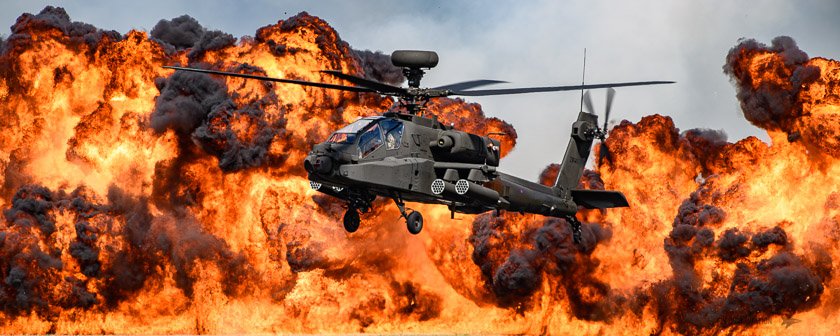
Further contributions came from Italy’s Reparto Sperimentale di Volo with solo jet and transport displays, Germany’s agile Airbus A400M, and a strong line‑up of international fast jets including SAAB’s Gripen E, Finland’s F/A‑18C Hornet, Spain’s Eurofighter, and Poland’s F‑16C. The standout finale belonged to Denmark’s Captain Troels “TEO” Vang, whose F‑16AM Fighting Falcon display — the last of its kind before the transition to the F‑35A — combined grace, power, and the striking “Dannebrog II” livery. His performance earned the Sir Douglas Bader Trophy and closed RIAT 2025 with a water‑salute tribute.
RIAT 2025’s flying programme balanced heritage, innovation, and international collaboration, reaffirming the Tattoo’s reputation as Europe’s most comprehensive and prestigious aviation spectacle.
STATIC DISPLAYS
The static display at RIAT 2025 provided audiences with an unparalleled opportunity to explore aircraft up close, offering a diverse mix of historic icons, frontline military assets, and innovative designs. Spread across RAF Fairford, the static park became a living exhibition of aviation heritage and modern capability, allowing visitors to engage directly with crews and gain insight into the machines that define air power today.
Highlights included a strong Royal Air Force presence, with frontline types such as the Typhoon, Poseidon, and Atlas A400M joined by heritage aircraft from the Battle of Britain Memorial Flight. International contributions added depth and variety, with European, Middle Eastern, and Asian air arms showcasing aircraft rarely seen in the UK. The United States Air Force brought a commanding presence, displaying both operational and support aircraft that underscored its enduring partnership with RIAT.
United States Air Force presence remained dominant. Heavy assets such as the B‑1B Lancer, C-5 Galaxy, KC‑135 Stratotanker, and C‑17 Globemaster III anchored the static park, reinforcing the USAF’s enduring partnership with RIAT. Their inclusion provided scale and context, reminding audiences of the strategic reach of American airpower.
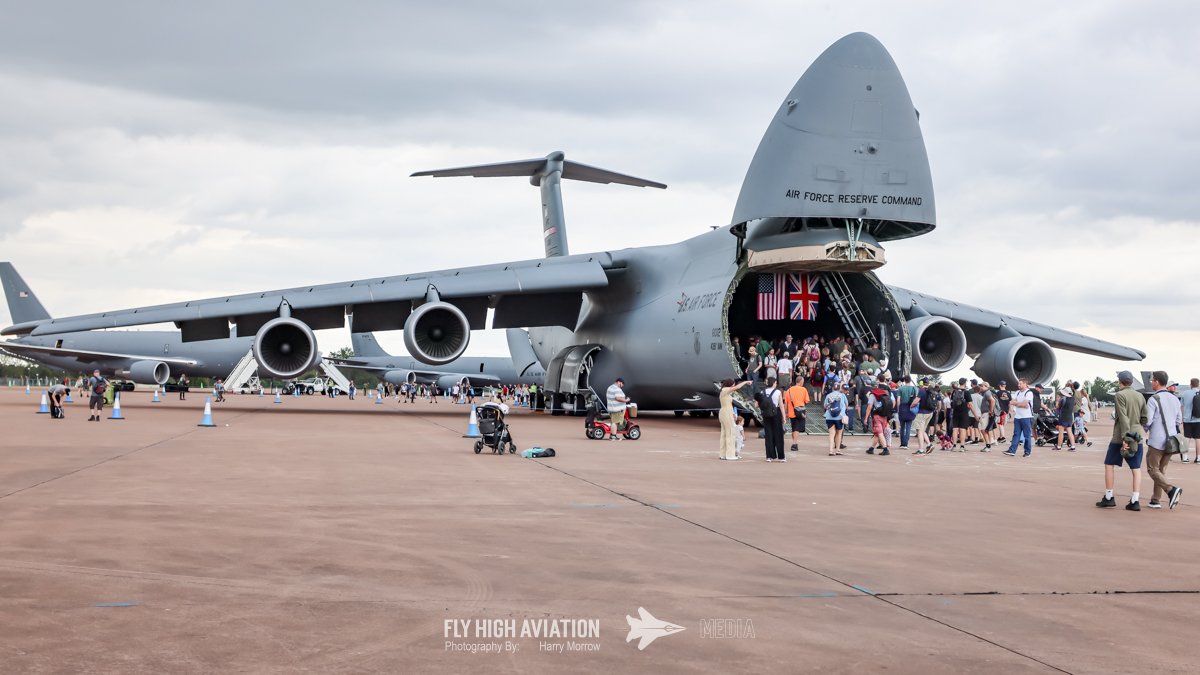
Civil and industry participation further enriched the static line‑up. Manufacturers presented advanced platforms and technologies, while restored classics offered a reminder of aviation’s enduring legacy. Together, these displays created a balanced narrative of past, present, and future, reinforcing RIAT’s role as a global stage for aviation excellence.
The static display complemented the flying program by providing context and accessibility. Visitors could examine aircraft interiors, interact with crews, and appreciate the engineering detail that is often missed in the air. This close‑up experience ensured that RIAT 2025 was not only a spectacle in the skies but also a comprehensive exhibition on the ground, strengthening its reputation as the world’s most complete military airshow.
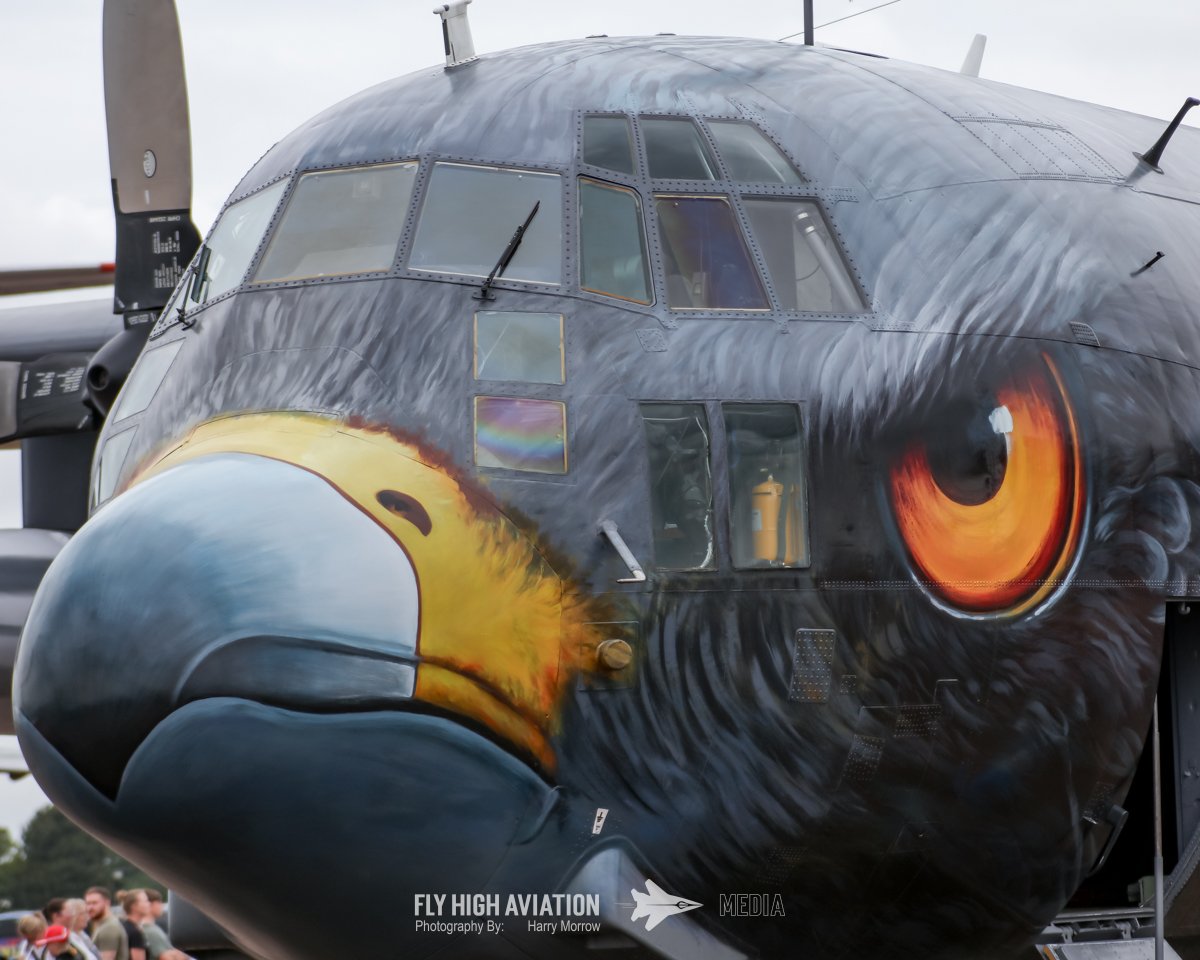
RIAT 2025’s international static and attractions succeeded in presenting a global cross‑section of aviation, balancing frontline capability with heritage and innovation. Despite cancellations and logistical hurdles, the static exhibition reinforced RIAT’s unique role as a meeting ground for nations, industry, and enthusiasts, offering close‑up access to aircraft and crews that few other events can match.
VX4 Electric tilt-rotor aircraft & The future of military aviation
The Vertical Aerospace VX4 marks a significant step toward the future of flight. This UK‑developed electric tilt‑rotor aircraft combines vertical lift with efficient wing‑borne cruise, offering zero‑emission performance, low noise, and rapid charging. Seating one pilot and four passengers, the VX4 demonstrated its potential at RIAT 2025 by completing the world’s first piloted airport‑to‑airport eVTOL flight from Cotswold Airport to RAF Fairford, underscoring its readiness for both civil and potential military applications.
Looking ahead, the VX4 is a glimpse of what military aviation may become in the decades to come. Electrification and sustainable propulsion will reshape how armed forces operate, reducing reliance on fossil fuels while expanding versatility. Advances in autonomy and artificial intelligence will enable aircraft to perform complex missions with minimal human oversight, while stealth, survivability, and adaptive technologies will continue to evolve. By 2050, RIAT could feature not only jets and helicopters but also silent, electric, and even space‑capable platforms that redefine air power.
The VX4’s presence at RIAT 2025 was more than a debut — it was a preview of a new era. Just as the Spitfire and Concorde symbolized their times, aircraft like the VX4 may stand as icons of sustainable, intelligent aviation, pointing toward a future where innovation and responsibility go hand in hand.

FINAL THOUGHTS
RIAT 2025 proved once again why the Royal International Air Tattoo stands as Europe’s premier stage for military aviation. Over the three days, the event balanced heritage and innovation, with nearly 20 hours of flying displays complemented by a diverse static park that brought audiences closer to the aircraft and crews. Highlights ranged from the precision of the Red Arrows and rare appearances by reconnaissance platforms to the debut of the VX4 electric tilt‑rotor, offering a glimpse into aviation’s sustainable future.
Despite the challenges of weather and the demands of travel, the show delivered a seamless celebration of air power, enriched by international participation and the dedication of the RIAT media team and volunteers. It was a program that honored tradition while looking ahead to the next generation of flight, leaving visitors inspired and reaffirming RIAT’s reputation as the world’s most complete military airshow.
Our sincere thanks go to the RIAT Media Team and Public Affairs staff, whose professionalism and tireless support ensured the smooth running of every aspect of the show. Deep appreciation is also extended to the RAFAC cadets, whose enthusiasm and dedication embody the spirit of the event, and to the countless crews, staff, and volunteers who make such a vast undertaking possible year after year.
It is their combined effort that transforms RIAT from an airshow into a truly global celebration of aviation. Until our next visit — FHAM, over and out.
Until next time,
Harry Morrow, FHAM
Editor, Fly High Aviation Media
The RIAT report is separated into three pages, page 1 contains the main story board, page 2 contains images of the flying display & page 3 contains images of the aircraft on static display, use the buttons below to navigate between pages, the links are also repeated at the bottom of each page.